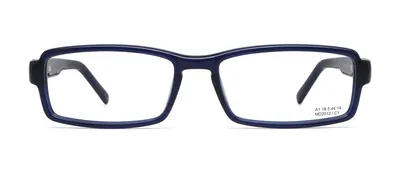
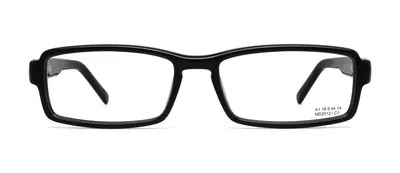
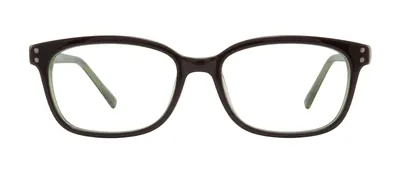
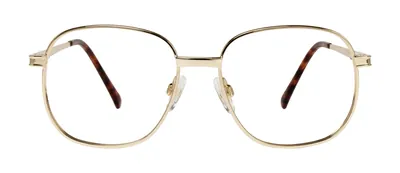
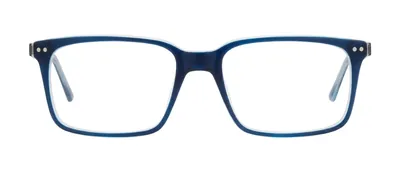
Take off your glasses and look at the inside of one of the arms (the temples). You'll usually find a row of numbers like 52□18-140, along with the model name and color code. Those numbers are your frame size, in millimeters, and they're the best tool you have for buying glasses online.
Lens width (the first number)
The first number, 52 in our example, is the horizontal width of one lens. Lens widths typically range from about 40 mm for small kids' frames to 60 mm or more for large adult frames. This is the number that matters most for how the frame looks and fits across your face.
Bridge width (the middle number)
The middle number, 18, is the distance between the two lenses: the part that sits over your nose. Bridges usually run 14 to 24 mm. If glasses pinch your nose or sit too low, the bridge is usually the reason.
The little square (□) between the first two numbers is a standard symbol in frame sizing. Some brands use a dash instead.
Temple length (the last number)
The last number, 140, is the length of the arm from the hinge to the tip that goes behind your ear. Most adult temples are 135 to 150 mm. Kids' frames are shorter, often 120 to 135 mm.
Estimating total frame width
A quick estimate of the front width: (lens width × 2) + bridge, plus a few millimeters for the frame edges. A 52□18 frame is roughly 128 to 134 mm across. Compare that with a pair you like and you'll have a good sense of fit.
How to use these numbers when you shop
- Find a pair of glasses that fits you well and note the three numbers.
- Look for new frames with a lens width within about 2 mm and a bridge within about 2 mm.
- Temple length is more forgiving. Within about 5 mm is usually fine.
Every frame page on Fast Eyeglasses shows the size in the same format, plus a diagram that updates when you switch between sizes. See the frame size guide for more.
Other markings you might see
- Model name or number and a color code.
- CE: a European conformity mark.
- Z87 or Z87-2: found on safety-rated eyewear. See our prescription safety glasses guide.
No numbers on your current glasses?
Older or inexpensive frames sometimes don't list a size. Measure the width of one lens with a millimeter ruler (just the lens, not the frame around it), then measure the gap between lenses. That gets you close. Then browse frames in a similar size.