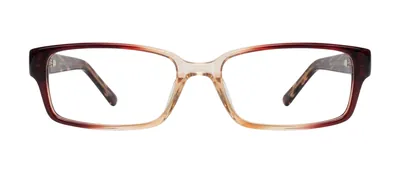
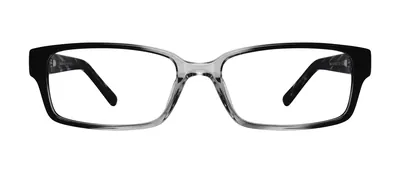
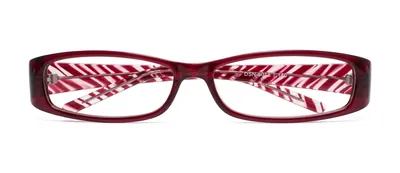
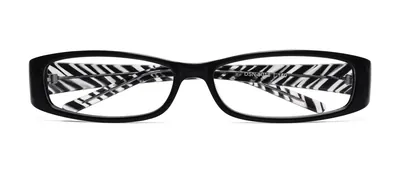
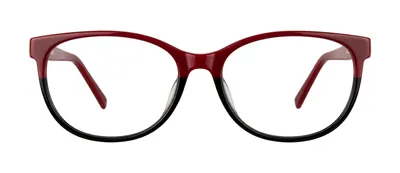
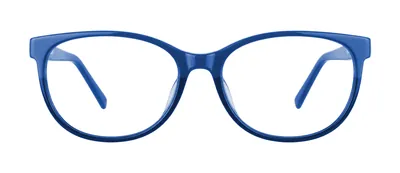
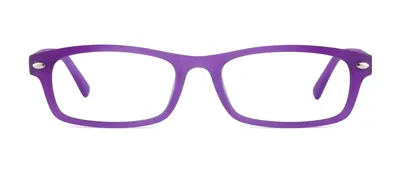
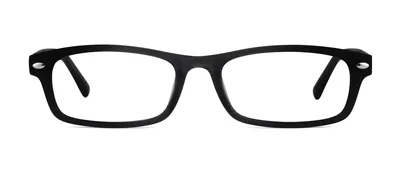
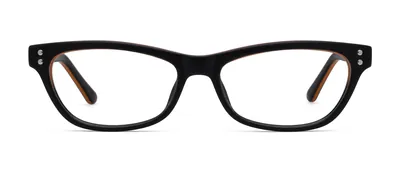
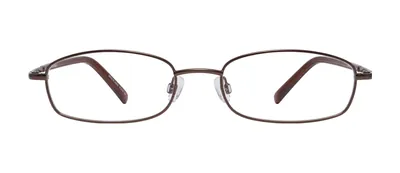
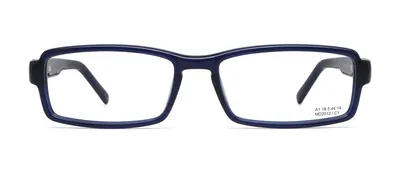
If you already own glasses that feel great, you have the best fitting tool there is. Instead of guessing from photos, you can match the measurements that make those glasses comfortable, then pick any style you like within that range.
1. Read the three numbers
Look inside the temple arm or on the bridge for something like 52-18-140:
- Lens width (52): the width of each lens in millimeters
- Bridge (18): the space between the lenses
- Temple length (140): the arm, from hinge to tip
If the numbers have worn off, skip to step 3 and measure. More detail: what the numbers on glasses mean.
2. Match within these ranges
| Measurement | Stay within | Why it matters |
|---|---|---|
| Lens width | ±2 to 3 mm | Overall width and where your eyes sit in the lens |
| Bridge | ±1 to 2 mm | Comfort on your nose and how high the frame sits |
| Temple length | ±5 mm | How the arms rest behind your ears |
Every frame page lists its exact size, and you can filter the shop by small, medium or large.
3. Measure the total width
The three numbers don't capture everything. Two frames with the same numbers can be different widths overall because of the hinges and shape. Lay your glasses on a table, lenses down, and measure straight across the front from the outside of one hinge to the other. Compare that with the new frame: lens width × 2 + bridge gives the width across the lenses, and the hinges usually add a few millimeters on each side.
4. Check the lens height
Lens height (top to bottom) changes how the frame looks and where it sits on your cheeks. Measure your current lens height with a ruler. If you like how your current pair sits, stay close to it. Tall lenses can rest on your cheeks when you smile; very short lenses can leave you looking over the top.
5. Match the bridge style
- Adjustable nose pads (most metal frames): an optician can fine-tune the fit, and they work for many nose shapes.
- Molded plastic bridge (most plastic frames): no pads to adjust, so the bridge number matters more. If you have a low or narrow nose bridge and plastic frames usually slide, look for a smaller bridge number or a metal frame with pads.
6. Consider weight and material
If your current glasses are light metal and you switch to a bold plastic frame, they'll feel heavier even at the same size. Neither is better; just know what you're used to. Strong prescriptions look and feel best in smaller frames, and with thinner lenses.
7. Change the style, keep the fit
Once you know your size range, have fun with the look. Try a new shape from our face shape guide, or a new color, while keeping lens width, bridge and temple close to your current pair.
A local optician can fine-tune the fit
Small adjustments, like bending the temples or adjusting nose pads, can be done by most opticians in a few minutes, often for free or a small fee. Bring your new glasses in if they slide or pinch a little.
Ready to find your next pair? Shop frames by size, from $79 with single vision lenses. New to sizing? Start with how to find your glasses size.