


Products by Category
-
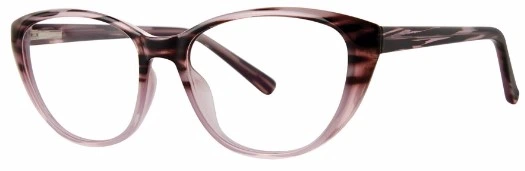
About Eyeglasses
-
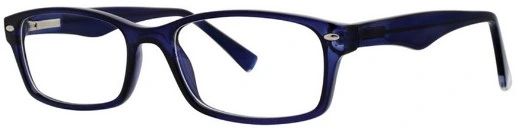
Access Eyeglasses
$79.00 -
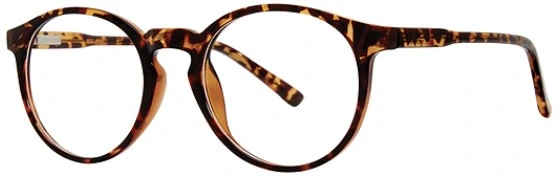
Accord Eyeglasses
$79.00 -
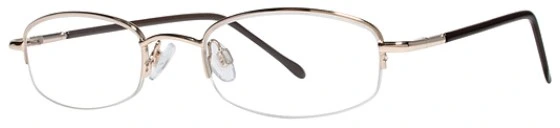
Ace Eyeglasses
$79.00 -
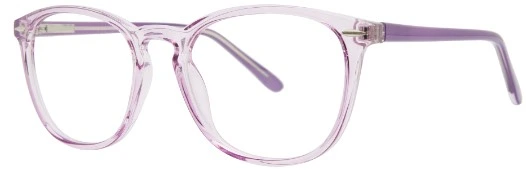
Achieve Eyeglasses
$79.00 -
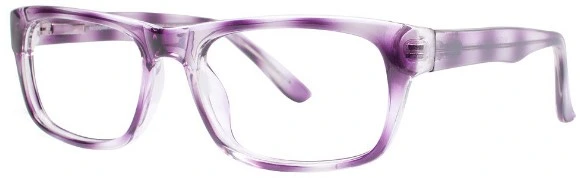
Acquire Eyeglasses
$79.00 -
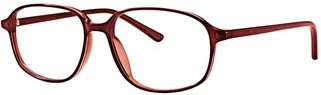
Active Eyeglasses
$79.00 -
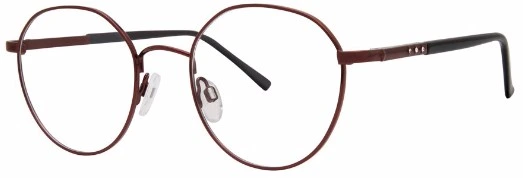
Adam Eyeglasses
$79.00
How to Choose the Right Eyeglass Frame Fit
Comfortable prescription eyeglasses come down to correct frame measurements — not just style. If your glasses slide down your nose, pinch your temples, or leave marks behind your ears, the frame size is off, not necessarily the shape. Here’s what actually matters when sizing your new eyeglasses online.
Eye Size (40mm–62mm)
Your eyes should sit centered horizontally within each lens. Too narrow and peripheral vision feels cramped; too wide and the lenses look oversized on your face.
Bridge Width (14mm–24mm)
The gap between lenses across your nose. Too wide causes constant slipping; too narrow causes red marks and pinching on the sides of the nose.
Temple Length (135mm–150mm)
Measured from hinge to ear tip. Correct length keeps frames anchored securely without pressure headaches behind the ears.
Pupillary Distance (PD)
The millimeter distance between your pupils. Accurate PD ensures your prescription lens is optically centered exactly where your eye looks through it.
Matching Eyeglass Shapes to Your Face Shape
Contrast is the general rule: angular frames add structure to soft, round features, while rounded frames soften sharp, angular features. Use this as a starting point — not a strict rulebook.

Round Face Shapes
Best fit: Rectangular, square, and geometric frames.
Angular lines add definition and visually lengthen softer, curved facial contours.
Square Face Shapes
Best fit: Round, oval, and thin wire-rimmed frames.
Curved edges soften strong jawlines and broad cheekbones for a balanced look.
Oval Face Shapes
Best fit: Cat-eye, browline, and most geometric styles.
Balanced proportions mean oval faces can wear nearly any frame shape comfortably.
Heart & Diamond Shapes
Best fit: Bottom-heavy, round, or oval acetate frames.
Wider bottom halves balance a broader forehead and narrower chin.
Why Face Shape Charts Don’t Always Work Out
Face shape guides are useful starting points, but real faces don’t fit into four clean categories. Here’s what the charts leave out:
- Prescription strength changes everything. Strong prescriptions require smaller, rounder lenses to control edge thickness — regardless of what “matches” your face shape.
- Bridge and cheekbone height matter more than outline. A frame that matches your face shape on paper will still slide or dig in if the bridge fit isn’t right for your nose.
- Scale beats shape. An oversized rectangular frame on a small round face looks off — not because rectangles are wrong, but because the proportions are.
- Personal style overrides formulas. Bold, vintage, or oversized frames are often chosen specifically to break the “rules” — and that’s completely valid.
Prescription Glasses Starting at $79 — Shipped Fast
At Fast Eyeglasses, quality prescription eyewear doesn’t require high prices
or long wait times. Every complete pair — single vision, reading, or progressive — includes
anti-scratch coating, anti-reflective treatment, and UV protection, ready to ship in days,
not weeks. Browse our full collection of
Check the inside of your current glasses’ temple arm — you’ll see three numbers (e.g., 52-18-140), representing lens width, bridge width, and temple length in millimeters. We offer simple, hassle-free returns and exchanges so you can find a frame that feels natural and comfortable. Orders enter lens production within hours of prescription verification, with quality control completed quickly to get your glasses to your door fast. They’re a helpful starting point, but bridge fit, prescription strength, and personal style often matter more than face shape alone.Frequently Asked Questions
How do I find my frame size numbers?
What if my new glasses don’t fit right?
How fast will my prescription glasses ship?
Do face shape charts actually work for everyone?