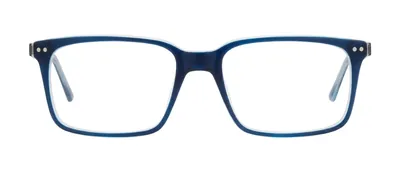
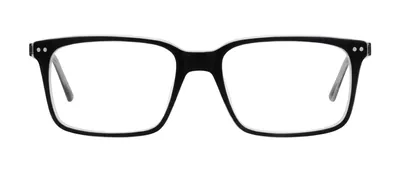
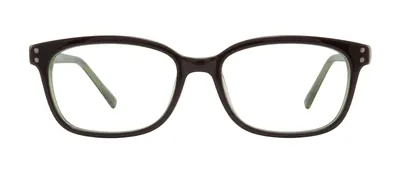
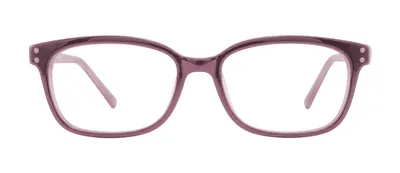
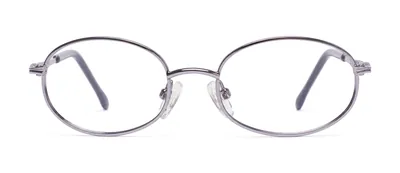
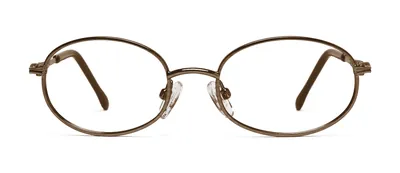
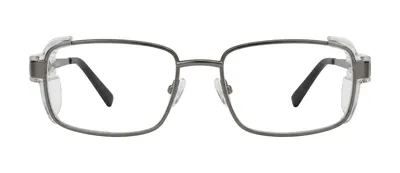
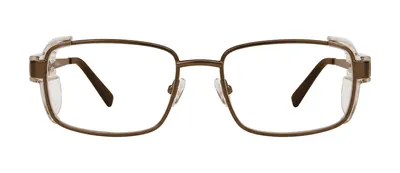
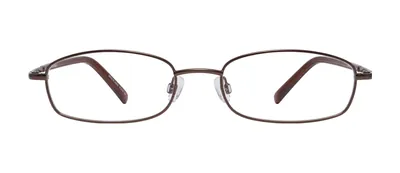
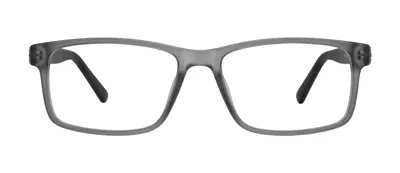
Prescription eyewear is any pair of glasses with lenses made to correct your vision: everyday glasses, reading glasses, computer glasses, prescription sunglasses and prescription safety glasses. Every pair has two parts, the frame and the lenses, and the choices you make for each affect how they look, feel and last.
Frames: shape, material and size
Shape is mostly style. Rectangle and square frames add structure to round faces; round and oval frames soften angular faces; cat-eye frames lift the face. Our face shape guide goes deeper.
Material affects comfort and durability:
- Plastic (acetate and similar): bold colors, sturdy, holds its shape well.
- Metal: thin, light and often adjustable with nose pads.
- Safety frames: built for protective use, often with side shields or a wrap shape. See our prescription safety glasses guide.
Size matters most for comfort. The three numbers on a frame (like 52-18-140) are lens width, bridge width and temple length in millimeters. Learn how to find your glasses size.
Lens types
- Single vision: one power across the whole lens, for distance, reading or computer use. This is what most people wear, and it's what we make. More in our single vision lens guide.
- Bifocal and trifocal: two or three powers with visible lines.
- Progressive: a gradual change in power from distance at the top to reading at the bottom, with no lines.
Lens materials
| Material | Best for | Our price |
|---|---|---|
| Standard plastic (CR-39) | Everyday glasses, mild to moderate prescriptions | Included |
| Polycarbonate | Kids, sports, safety, active wear; thinner and impact-resistant | +$15 |
| 1.67 high-index | Strong prescriptions; our thinnest lens | +$45 |
Not sure? Compare them in polycarbonate vs. high-index.
Coatings and tints
- Anti-glare: cuts reflections from screens and headlights (+$35, or +$50 for Crizal Easy).
- Solid tint: turns your glasses into prescription sunglasses, gray or brown (+$20).
- Photochromic and Transitions: clear indoors, dark in sunlight (+$55 or +$68).
What prescription eyewear should cost
At many optical shops, a basic pair of single vision glasses runs a few hundred dollars once lenses are added. Online, prices are usually much lower because there's no showroom markup. Ours: $79 for everyday frames with single vision lenses, $149 for prescription safety glasses, free shipping, and upgrades priced before you pay. Curious why the difference is so big? Read why glasses are so expensive.
Your prescription
You need a current eyeglass prescription from an optometrist or ophthalmologist. Most are valid for one to two years (details here). If the numbers look confusing, start with how to read your prescription.
Ready to shop prescription eyewear? Browse men's, women's, kids' and safety frames, from $79 with lenses.