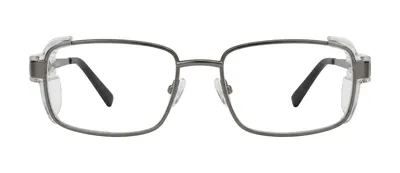
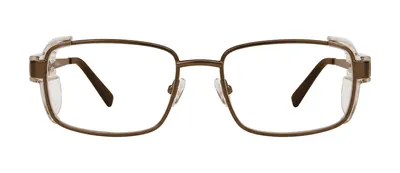
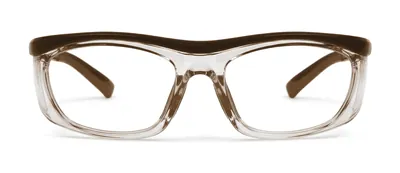
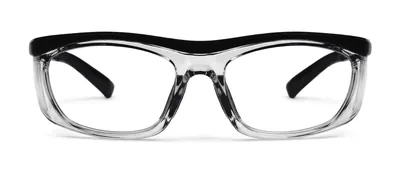
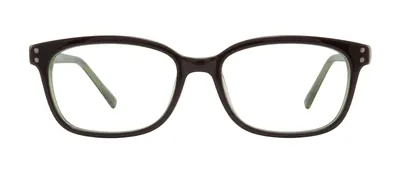
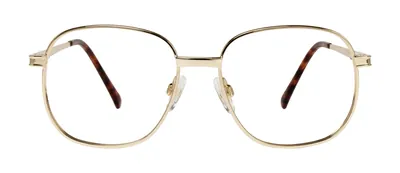
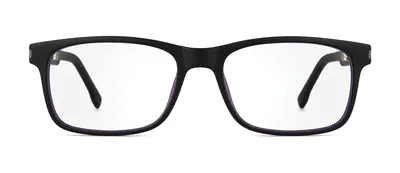
If you wear glasses and work in a shop, on a job site or in a lab, you have two choices: wear bulky safety goggles over your glasses, or get prescription safety glasses. Most people who try prescription safety glasses don't go back.
How safety glasses differ from regular glasses
- Coverage: wrap frames and side shields protect from the sides as well as the front.
- Sturdier frames: safety frames are built to hold the lens in place on impact.
- Impact-resistant lenses: safety-rated eyewear uses lenses tested to withstand impact.
About ANSI Z87.1
In the U.S., occupational eye protection is tested to the ANSI/ISEA Z87.1 standard. Safety-rated prescription eyewear must meet it as a complete system: the frame and the lenses both have to be rated, and they carry Z87 markings. Regular glasses, even sturdy ones, don't count as safety eyewear unless they're rated.
Check what your employer requires. Some workplaces require Z87.1-rated eyewear, and some specify side shields. If you need rated safety eyewear, email us before ordering so we can confirm the right lens for your job.
Choosing a style
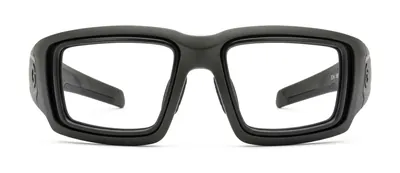
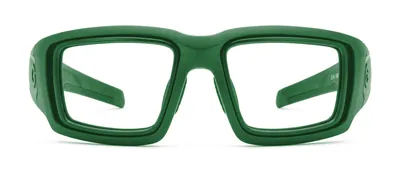
- Wrap frames curve around the face for wide coverage. Good for dust and debris.
- Foam-lined frames seal around the eyes. Good for dusty or windy work.
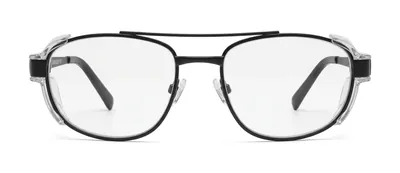
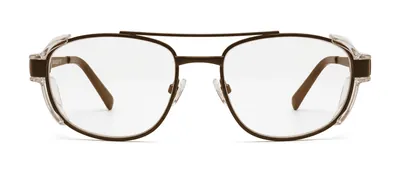
- Metal frames with side shields look closer to everyday glasses. Good for labs and shops.
Fit matters even more
Safety glasses only protect you if they stay put. Check the size against a pair that fits you well (how frame sizes work), and look for a snug fit at the temples.
Your prescription
You'll need a current eyeglass prescription and your PD. We make single vision lenses, so if your prescription includes an ADD, email us first.
See all prescription safety frames: wraps, foam-lined frames and metal frames with side shields, $149 with single vision lenses.