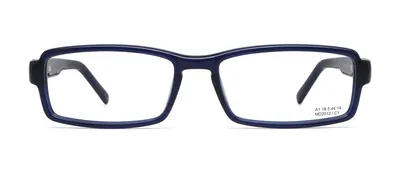
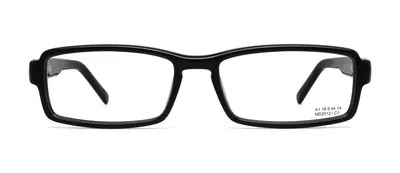
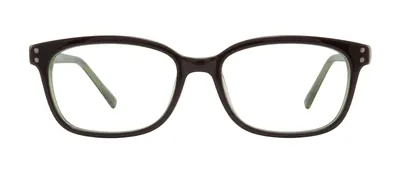
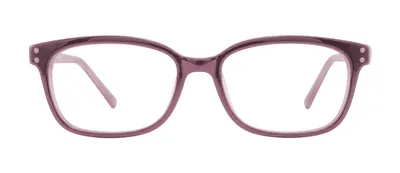
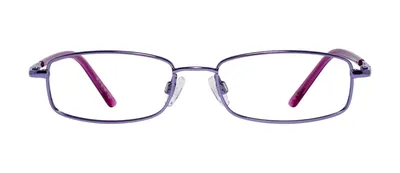
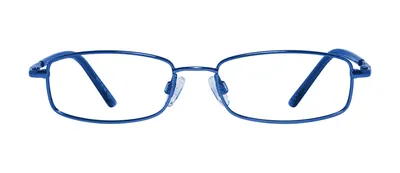
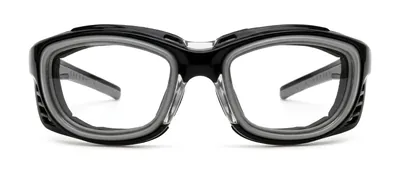
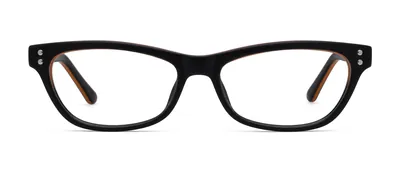
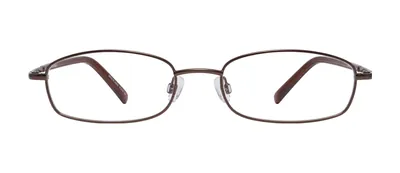
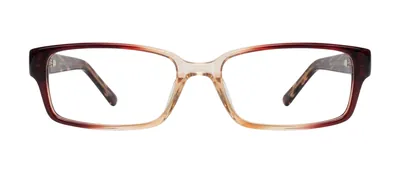
Glasses that fit don't pinch your temples, slide down your nose or leave red marks. The fastest way to get that fit online is to know your glasses size and compare it with the size listed for each frame.
Step 1: Find the numbers on your current glasses
Look on the inside of the temple arm (the part that goes over your ear) or on the bridge. You'll see three numbers, such as 52-18-140 or 52□18 140:
- 52 = lens width: the width of one lens in millimeters.
- 18 = bridge width: the distance between the lenses, where the frame sits on your nose.
- 140 = temple length: the length of the arm, from hinge to tip.
More detail in what the numbers on glasses mean.
Step 2: Use a glasses size chart
| Size | Lens width | Usually fits |
|---|---|---|
| Small | 42 to 49 mm | Kids, teens and narrow adult faces |
| Medium | 50 to 53 mm | Most adults |
| Large | 54 mm and up | Wider faces |
You can filter our shop by these sizes: small, medium and large.
Step 3: Compare frames online
Use your current numbers as a guide. A new frame will fit about the same if it's within:
- Lens width: ±2 to 3 mm
- Bridge width: ±1 to 2 mm (the bridge matters most for comfort on your nose)
- Temple length: ±5 mm
Also look at the total frame width: two lens widths plus the bridge. A 52-18 frame is about 122 mm across the lenses before the hinges. A different shape with the same numbers can look bigger or smaller, so compare the photo too.
No glasses to compare? Measure your face
- Stand in front of a mirror and hold a ruler or tape measure under your eyes, level with your temples.
- Measure straight across from temple to temple, in millimeters.
- Pick a frame whose total width (lens width × 2 + bridge, plus a few mm for the hinges) is close to that measurement.
Roughly: under about 125 mm across usually means small, 125 to 135 mm medium, and over 135 mm large.
Signs a frame is the wrong size
- Too wide: glasses slide down, your eyes sit close to the inner edge of the lenses.
- Too narrow: pressure at the temples, the arms bow outward.
- Bridge too wide: frame sits low on your nose and slips.
- Temples too short: arms don't reach comfortably behind your ears.
Frame size vs. PD
Your frame size and your PD (pupillary distance) are different measurements. Frame size is about fit; PD tells the lab where to center your lenses. You need both. Measure your PD in a minute.
Every frame page lists its exact size. Shop frames by size, from $79 with single vision lenses.