If night driving has started to feel harder, you're not imagining it. Headlights seem brighter, signs are harder to read, and lights blur into halos or starbursts. The good news: the fix is usually simple.
The best glasses for night driving are clear prescription lenses with a good anti-glare coating, made to an up-to-date prescription, kept clean, in a frame that doesn't block your view. That's it. The yellow "night driving glasses" sold online don't help, and they can make it harder to see.
Why night driving is harder
Several things work against you after dark:
- Bigger pupils. In low light your pupils open wide to let in more light. That makes small focusing errors more noticeable, so vision that seems fine in daylight can look soft at night.
- Less contrast. Dark roads, dark clothing and dim signs are harder to pick out.
- Glare. Headlights, streetlights and reflections off wet roads send bright light straight into your eyes.
- Lens reflections. Light bouncing off the front and back of uncoated lenses adds glare and ghost images.
- Age. As we get older, our eyes let in less light and take longer to recover from glare.
Signs your glasses aren't helping at night
- Halos or rings around headlights and streetlights
- Starbursts or streaks coming off lights
- Ghost images or reflections of lights inside your lenses
- Signs and lane lines that look blurry at night but fine in daylight
- Squinting or feeling tired after a short night drive
What actually helps
1. An anti-glare coating
This is the single biggest upgrade for night driving. An uncoated lens reflects some of the light that hits it. At night, those reflections show up as glare, halos and faint ghost images of headlights and dashboard lights.
An anti-glare coating (also called anti-reflective) cuts those reflections and lets more light pass through the lens to your eye. The result is crisper lights, fewer ghost images and less eye strain. It also makes your lenses look nearly invisible to other people.
At Fast Eyeglasses you choose anti-glare on the frame page: Standard anti-glare for +$35 or Crizal Easy for +$50. Read why it pays to get a good anti-glare coating.
2. An up-to-date prescription
A small prescription change you'd never notice in daylight can make lights smear at night, because your wider pupils magnify the error.
Astigmatism is a common cause of starbursts and streaks around lights. If your prescription has numbers in the CYL and Axis boxes, make sure your glasses use them correctly. Single vision lenses correct astigmatism.
If your prescription is more than a year or two old, or night driving has gotten noticeably harder, it's time for an eye exam. Here's how long an eyeglass prescription is good for and signs you need a new prescription.
3. Accurate lens centering
Your lenses need to be centered on your pupils. That's what your PD (pupillary distance) is for. If the optical centers are off, you can get blur and eye strain that's worse at night. Make sure you enter your PD carefully when you order. Here's how to measure your PD at home.
4. Clean lenses and a clean windshield
Smudges, fingerprints and film scatter light and turn every headlight into a smear. Clean your glasses before a night drive with water, a drop of dish soap and a microfiber cloth. See how to clean your glasses.
Don't forget the car. The inside of the windshield builds up a haze that adds glare, especially in cars with smokers or new interiors. Clean it regularly, and replace worn wiper blades.
5. Scratch-free lenses
Scratches catch light and scatter it, which is especially distracting at night. If your lenses are scratched in the center, it's time for new ones. Read how to fix scratched glasses (and when you can't).
6. A frame that doesn't block your view
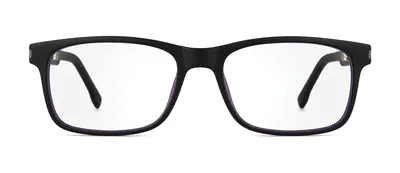
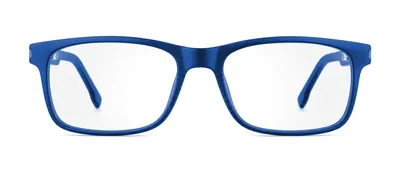
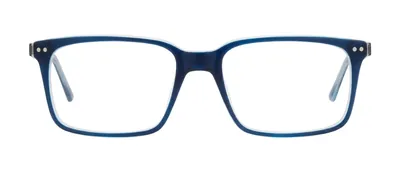
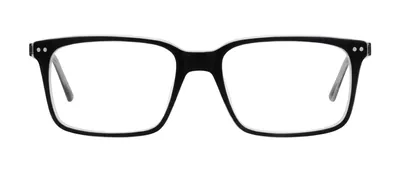
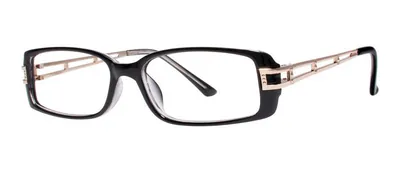
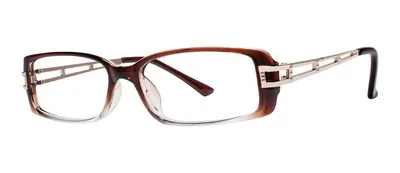
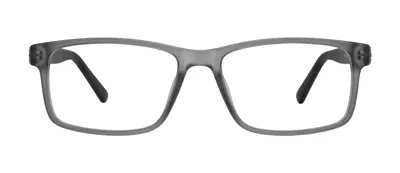
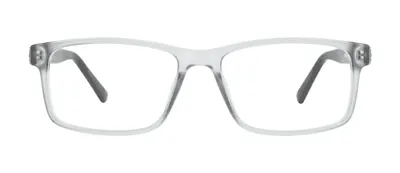
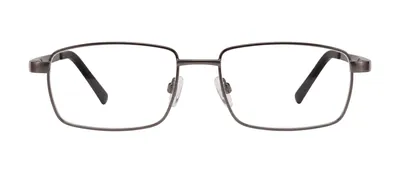
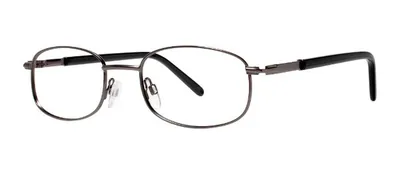
Thick temple arms and bulky frames can block your side vision when you check mirrors and blind spots. Frames with thinner rims and arms, sitting level on your face, keep your field of view clear. Make sure the frame fits well so you're looking through the center of the lens, not the edge.
Do yellow night driving glasses work?
No. Yellow-tinted "night driving glasses" are widely sold online, and they can make the world look brighter and sharper at first glance. But a tint of any color works by blocking some light. At night you need all the light you can get.
Eye doctors don't recommend them for night driving, and studies have found that they don't help drivers spot pedestrians sooner or recover from headlight glare faster. Some drivers feel more confident wearing them, which is the risky part.
What about sunglasses, tints and light-adjusting lenses?
- Sunglasses and solid tints: never wear them to drive after dark. They cut the light your eyes need.
- Light-adjusting lenses (photochromic and Transitions): these are designed to be clear indoors and at night and to darken in UV light. Clear lenses with anti-glare are still the simplest choice for night driving. Read Transitions lenses: gray or brown? if you're considering them for daytime.
- Blue light lenses: these are designed for screens, not night driving. See computer glasses and blue light glasses.
More night driving tips
- Look to the right edge of the road when a car approaches, rather than straight into its headlights.
- Dim your dashboard and in-car screens. Bright interior lights make it harder for your eyes to adjust to the dark road.
- Check your headlights are clean and aimed correctly.
- Take breaks on long night drives. Tired eyes handle glare worse.
When glare is a sign of something else
If night glare keeps getting worse even with new glasses and an anti-glare coating, see an eye doctor. Increasing glare, halos and trouble seeing at night can be early signs of cataracts or other eye conditions that glasses can't fix. Many of these are very treatable when caught early.
See a doctor promptly if you notice sudden changes in vision, new flashes or floaters, eye pain, or a shadow in your vision.
Frequently asked questions
What lenses are best for night driving?
Clear prescription lenses with an anti-glare coating, made to an up-to-date prescription and centered with an accurate PD.
Do anti-glare glasses help with night driving?
Yes. Anti-glare coatings reduce reflections off your lenses, which cuts halos, ghost images and glare from headlights.
Are yellow night driving glasses safe?
They're not recommended. Yellow lenses block some light, and studies have found they don't improve night driving performance.
Why do headlights look like starbursts?
Often it's uncorrected or under-corrected astigmatism, an outdated prescription, or dirty or scratched lenses. If it gets worse over time, see an eye doctor.
Can I wear my regular glasses for night driving?
Yes, if they're clear, up to date and in good condition. Adding anti-glare to your next pair is the biggest improvement you can make.
Get glasses made for night driving
Everyday frames at Fast Eyeglasses are $79 with clear single vision prescription lenses included, with free shipping to Michigan, Oregon, Montana and Delaware. Add anti-glare on the frame page before checkout. Most pairs are made in one business day. Shop all frames.