If your eyes feel tired, dry or achy after a long day at a computer, you're not imagining it. Eye doctors call it digital eye strain. The big question is what to do about it: computer glasses, blue light glasses, or something else?
What causes digital eye strain
- Focusing at one distance for hours. Your focusing muscles work hard at arm's length.
- Blinking less. People blink much less when staring at a screen, which dries the eyes.
- Glare and reflections from screens and overhead lights.
- An outdated or wrong prescription, or glasses made for distance when you need help at screen distance.
- Poor setup: screen too close, too high or too bright.
Do blue light glasses work?
Blue light glasses are marketed as the fix for screen fatigue, but the evidence doesn't support most of the claims. The American Academy of Ophthalmology doesn't recommend blue light glasses for computer use, and reviews of the research have found little evidence that blue-light-filtering lenses reduce eye strain. The amount of blue light from screens is small compared with sunlight.
That's why we don't sell blue-light lenses. We'd rather put your money into the things that do help.
What actually helps
- The right prescription for the distance. If you're over about 40, or your distance glasses feel strained at a monitor, ask your eye doctor about a computer prescription made for arm's-length (intermediate) distance. Made as single vision lenses, these are true "computer glasses."
- Anti-glare coating. It removes reflections from your lenses, so screens and lights look cleaner. This is the most useful screen upgrade. See why anti-glare is worth it.
- The 20-20-20 rule. Every 20 minutes, look at something 20 feet away for 20 seconds.
- Blink on purpose, and use lubricating eye drops if your eyes feel dry.
- Set up your screen about an arm's length away, slightly below eye level, with brightness matched to the room.
Computer glasses vs. reading glasses
Reading glasses are made for about 14 to 16 inches, the distance of a book or phone. A computer screen is usually farther, around 20 to 28 inches. Reading glasses can make a monitor look blurry; distance glasses can leave you straining. A computer prescription sits in between. Both are single vision lenses, which is what we make. Learn more in our single vision lens guide.
How to order computer glasses
- Get a computer (intermediate) prescription from your eye doctor.
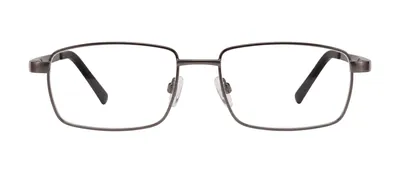
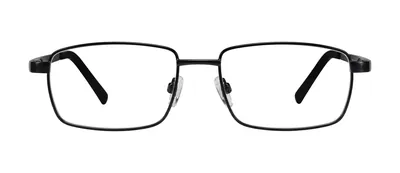
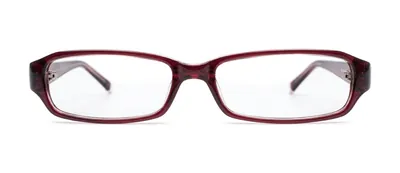
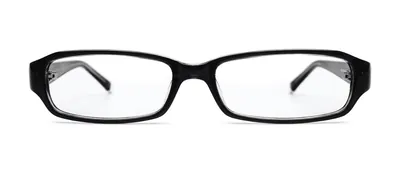
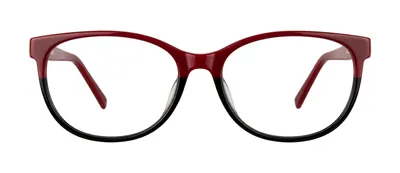
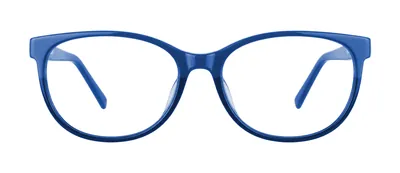
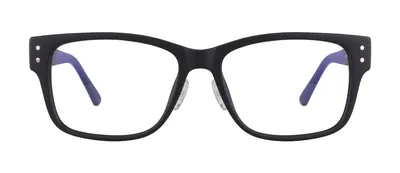
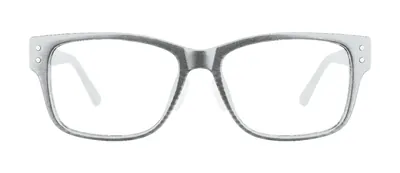
- Pick a frame. Medium frames give a wide view of the screen.
- Add anti-glare (Crizal Easy for easy cleaning).
- Enter your computer prescription and your distance PD.
When to see your eye doctor
If eye strain, headaches or blurry vision continue even after changing your habits, get an eye exam. You may need a new prescription, or have dry eye or another condition that's easy to treat.
Computer glasses start at $79 with single vision lenses. Shop frames.