A one- or two-millimeter difference in a listing is easy to dismiss. It is also easy to overinterpret. Before buying glasses without trying on, check which measurement changed and whether the comparison is between sizes of one model or completely different designs.
Name the measurement before comparing it
A change in lens width is different from a change in bridge width or arm length. Read the whole sequence. Do not decide that a pair is nearly identical because the first number is close.
Keep the measurement method in view too. Total outside front width and lens width are not interchangeable, even when both are written in millimeters.
Use an actual catalog comparison
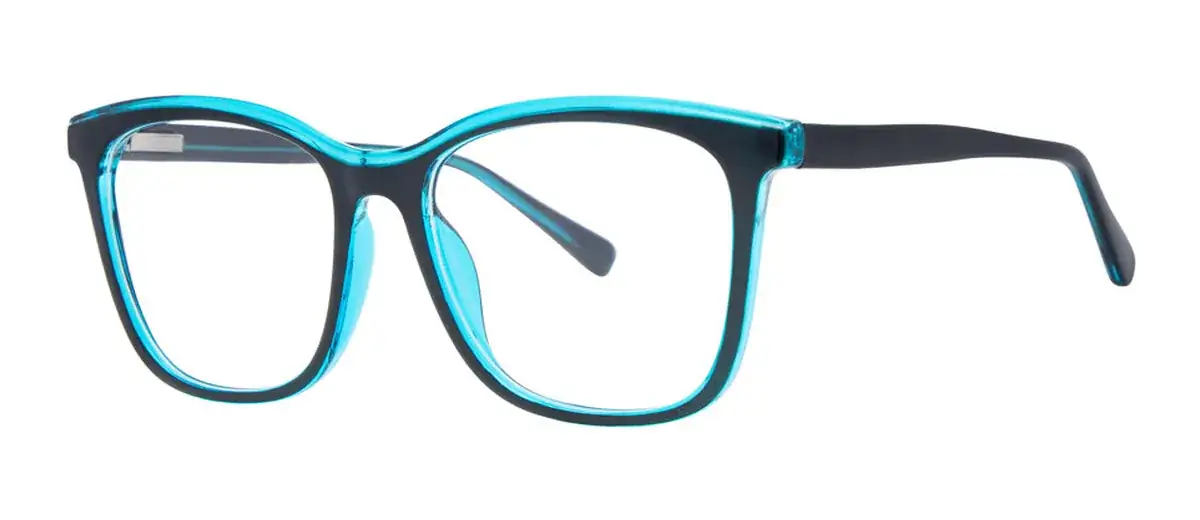
Alana lists 55–17–140, while Patrick lists 55–18–145. The lens widths match, the bridge numbers differ by 1 mm, and the arms differ by 5 mm. They are also different frame models.
That comparison does not tell you which pair will feel better. It shows why calling the choice a one-millimeter difference leaves out important information. Ask about the bridge design and overall front if those details matter to your fit.
Do not use one rule for every frame
A small size change can be worth checking, especially at a spot that already bothers you. Compare the actual design and measurements with your current pair.
If the area around your nose or ears is uncomfortable, ask an optician about the fit before paying. A measurement alone cannot tell you how a new frame will feel there.
Use a specific frame for your comparison
Open the exact model and selected size when you investigate a fit question. These Fast Eyeglasses listings give you concrete options to compare with your own reference pair.
- View Alana frame details — listed sizes: 55–17–140.
- View Patrick frame details — listed sizes: 55–18–145.
Frame sizes describe lens width, bridge width and arm length. Check current options and availability on the product page. Ask about any important measurement that is missing.