The frame shortlist · Guide 16 of 20
Kids With Round Faces: Make Glasses Fit Before Choosing a Shape
A child does not need a face-shape makeover. Begin with the prescribed lenses, comfortable support and a frame they are willing to wear; color and outline can be the enjoyable part after that.
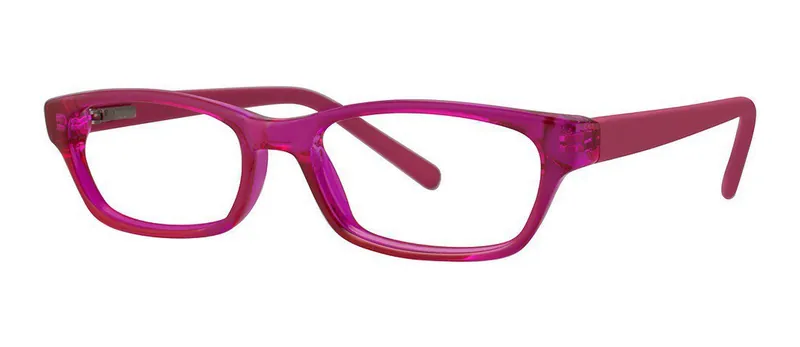
Give fit priority over adult style rules
The American Association for Pediatric Ophthalmology and Strabismus emphasizes the importance of well-fitting children’s glasses and experienced fitting help. A “round face” label cannot tell you where a frame will sit on a child’s nose or how its arms will fit.
Let the child compare a small shortlist
Offer two or three suitable options instead of an endless gallery. Ask which color they enjoy and whether the pair feels comfortable. Check the fit while they look ahead, smile and glance down. An optician should assess a frame that touches their cheeks, lashes or keeps slipping.
Keep the lens prescription intact
Follow the child’s eye-care professional’s lens and treatment instructions. AAPOS recommends polycarbonate lenses for children unless their ophthalmologist directs otherwise. Fast Eyeglasses currently supports corrective single-vision orders; do not substitute those for prescribed bifocals, prism or other unsupported instructions.
A quick comparison
| Compare | What it changes | Your next check |
|---|---|---|
| Child’s preference | A color or outline they enjoy | Use a suitable shortlist |
| Physical fit | Nose, temples and cheek clearance | Get experienced fitting help |
| Prescribed lenses | The clinician’s instructions | Do not change the prescription |
Should I buy a larger frame so my child can grow into it?
Ask the fitting professional. A frame that is too large now can sit incorrectly; future growth is not a substitute for a suitable current fit.
Keep exploring
Put this guide to work
Compare the relevant frames and ordering details before choosing your pair.