The frame shortlist · Guide 17 of 20
Round-Face Glasses: What the Three Size Numbers Can—and Cannot—Tell You
The numbers inside a frame are useful for comparisons, but they do not classify your face or supply your PD. Use them as a starting record alongside bridge shape, front width and actual fit.
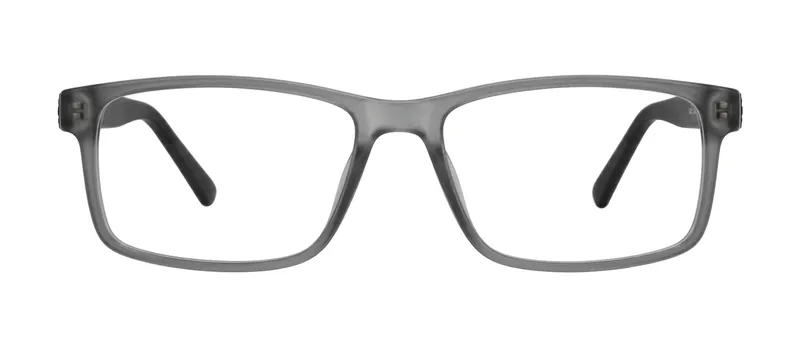
Read the sequence in millimeters
An example such as 52□18–140 commonly identifies lens width, bridge width and temple length. The markings may be on the arm, the bridge, or split between locations. Record the model and size together so a color code is not mistaken for part of the measurements.
Know what is missing
Those three values do not fully describe lens height, total front width, bridge contact shape or how the temples curve. Two models with matching numbers can sit differently. If a comparison depends on one of those missing dimensions, ask about it rather than treating matching numbers as a fit guarantee.
Keep PD in a separate record
Pupillary distance describes pupil spacing, not a frame dimension. Do not enter a bridge number, an average or a number calculated from lens width as PD at checkout. Use the wearer’s actual measured PD for the prescribed use, and request help if you cannot identify it.
A quick comparison
| Compare | What it changes | Your next check |
|---|---|---|
| 52 in the example | Lens width | Not total frame width |
| 18 in the example | Bridge width | Not the wearer’s PD |
| 140 in the example | Temple length | Not a comfort guarantee |
Can I order solely because the numbers match my current pair?
Matching numbers can narrow a shortlist, but bridge shape, front construction and lens height may still differ. Compare those details too.
Keep exploring
Put this guide to work
Compare the relevant frames and ordering details before choosing your pair.