The frame shortlist · Guide 1 of 20
Rectangle vs. Square Glasses for a Round Face
Both shapes can add a stronger outline around the eyes. The useful difference is how much height, corner definition and visual weight you want—not which shape a face chart says you must wear.
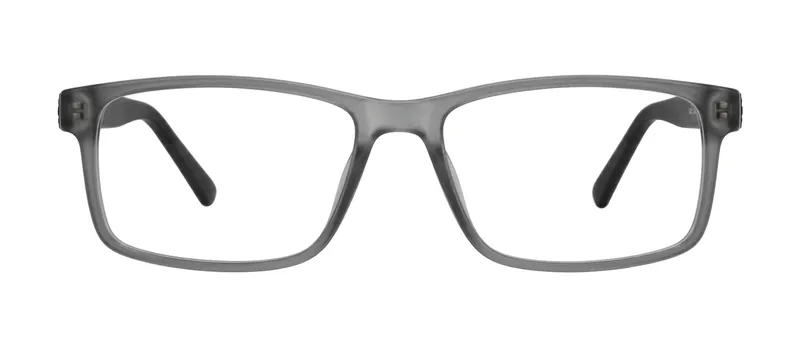
Compare the outline before the label
A rectangle usually looks wider than it is tall. A square gives the lens opening more vertical presence. Rounded corners can make either feel softer, so two frames called “square” may look quite different. Compare front-view photographs at a similar scale rather than trusting the category name.
Run a fair comparison
Choose one rectangle and one soft square near the measurements of a comfortable pair you already own. Keep color and rim thickness similar at first. Otherwise a heavy black square and a fine gold rectangle change three things at once, and it is hard to tell which difference you actually like.
Use a movement check
Look ahead, smile and turn your head while trying frames on. Check whether the lower rim meets your cheeks or the sides feel tight. A shape that looks good in a still photo can still be a poor fit. Have an optician assess persistent pressure or movement rather than buying wider lenses as a quick fix.
A quick comparison
| Compare | What it changes | Your next check |
|---|---|---|
| Rectangle | Less vertical lens presence | Compare actual front width |
| Soft square | More room for a bold outline | Check lower-rim clearance |
| Sharp square | Stronger corner emphasis | Check whether the corners dominate |
Which is the better starting point?
Start with the shape closest to a comfortable pair, then change one feature. Neither shape guarantees a flattering or comfortable fit.
Keep exploring
Put this guide to work
Compare the relevant frames and ordering details before choosing your pair.