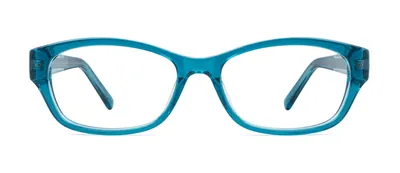
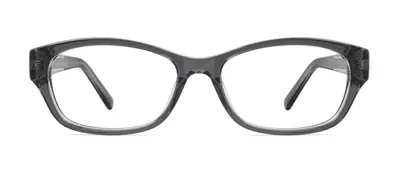
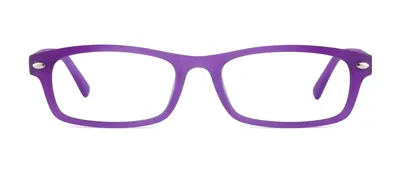
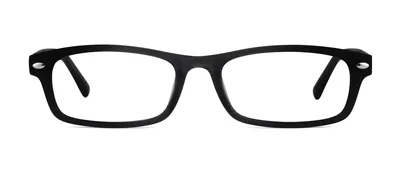
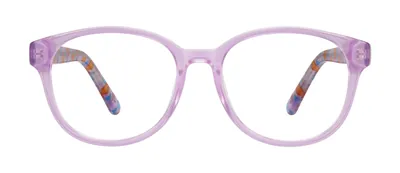
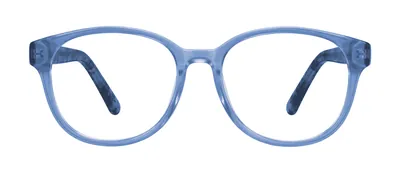
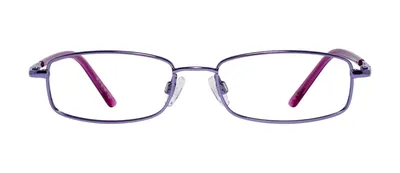
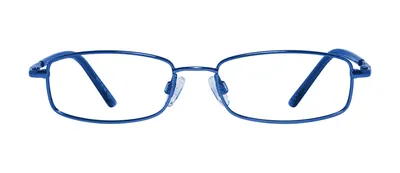
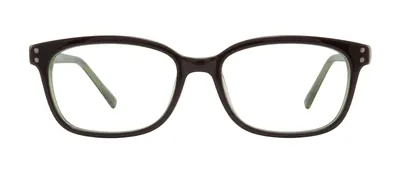
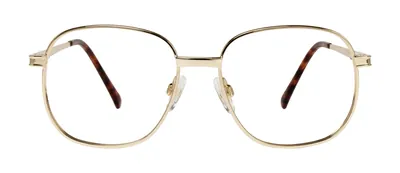
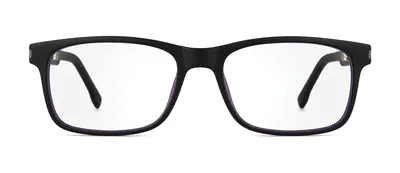
Getting glasses for a child is a little different from buying your own. Fit matters more, durability matters a lot, and if your kid doesn't like how they look, the glasses end up in a backpack.
Get the size right
Kids' frames usually have lens widths from about 42 to 49 mm and shorter temples, around 120 to 135 mm. If your child already wears glasses, check the numbers inside the arm (here's what they mean) and choose something close. Kids grow, but a frame that's too big slides down the nose and puts the lenses in the wrong place.
Signs of a good fit
- The eyes sit near the center of each lens.
- The frame isn't wider than the face.
- The bridge sits on the nose without sliding down or pinching.
- The arms reach comfortably behind the ears.
Measuring a child's PD
Kids' PDs usually fall between 43 and 58 mm. The easiest way is to ask your eye doctor to include the PD on the prescription. You can also measure it at home using the friend method: have your child look at something across the room while you measure.
Frames and lenses
Plastic frames are light, come in fun colors and hold up well to everyday knocks. Thin metal frames can be lighter but may bend more easily. Many eye doctors recommend impact-resistant lens materials, such as polycarbonate, for children. If you'd like to confirm the lens material for your child's pair, email us before ordering.
Getting kids to wear them
- Let them choose the color. Ownership goes a long way.
- Make it routine: glasses on at breakfast, off at bedtime.
- Get a case and a spot where glasses always go at night.
- Praise, don't nag. Most kids adapt in a week or two once they notice they can see better.
Keep up with eye exams
Kids' vision can change quickly, so their prescriptions may expire sooner than adults'. Follow your eye doctor's recommendation for follow-ups.
Browse our kids' prescription glasses. Every pair is $79 with single vision lenses, in bright colors kids actually want to wear.