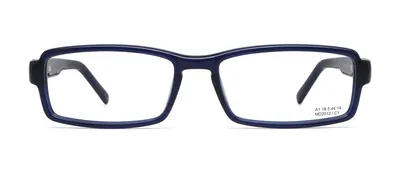
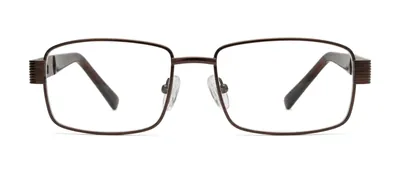
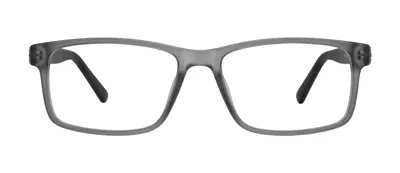
You put on your new glasses and something feels off: the floor looks tilted, the edges seem warped, or your eyes feel tired by dinner. Don't panic. Your brain is used to seeing through your old lenses (or no lenses at all), and it needs a little time to adapt to the new ones.
What's normal in the first few days
- Mild headaches or eye fatigue, especially late in the day
- Curved or tilted floors and doorways (the "fishbowl" effect)
- Objects looking slightly bigger, smaller or closer than before
- Feeling a little off balance on stairs or curbs at first
- Everything looking extra sharp, which can feel almost too clear
How long does it take to adjust?
Most people adjust within a few days. Almost everyone feels comfortable within one to two weeks. It can take longer when:
- It's your first pair of glasses
- Your prescription changed a lot, especially CYL or AXIS (astigmatism)
- You switched to a very different frame size or shape
- You switched lens material, for example to high-index
Tips to adjust faster
- Wear them all day. Switching back and forth with your old pair slows your brain down.
- Start at home. Give it a day before long drives or busy places.
- Move your head, not just your eyes. Look through the center of the lenses, where vision is sharpest.
- Take care on stairs for the first day or two.
- Get the fit adjusted. Frames that sit crooked or slide down change where you look through the lens. Any optician can straighten them.
- Keep lenses clean. Smudges cause blur and strain. See how to clean anti-glare lenses.
When it's not just adjusting
Contact your eye doctor and email us if, after two weeks:
- Vision is still blurry or doubled
- One eye feels much more strained than the other
- You feel your eyes being "pulled," or headaches haven't faded
- Vision gets clearer when you close one eye or tilt the glasses
These can mean the lenses don't match the prescription, the PD is off, or your prescription needs updating. We'll check your order against what was made. If the lab made a mistake, we remake your glasses free; see our prescription & remake policy. It also helps to double-check your PD.
Get help right away for sudden vision loss, flashes of light, a curtain over your vision or eye pain. Those aren't caused by glasses and need prompt medical care.
Reading glasses feel different
Single vision reading glasses are made for close-up distance only, so the room will look blurry when you look up through them. That's expected. They also use a slightly smaller reading PD; our checkout asks about this and adjusts it for you. Learn more in our single vision lens guide.
Ready for a new pair? Shop frames, $79 with single vision lenses, most made in one business day.