The frame shortlist · Guide 8 of 20
Round Face, Low Nose Bridge: A Better Fit Checklist
Face roundness and nose-bridge shape describe different things. A frame can suit your preferred silhouette yet still need a different bridge construction to sit comfortably.
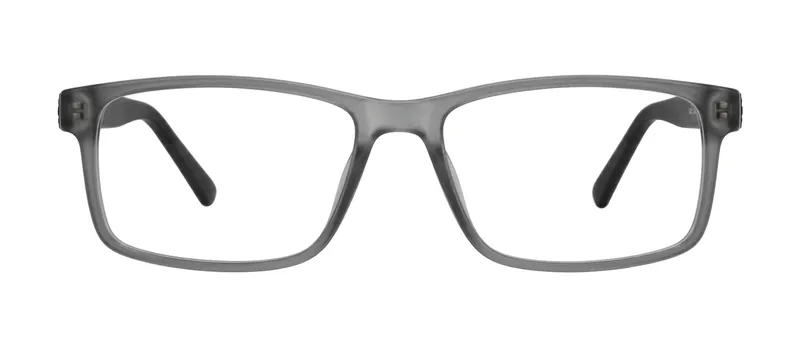
Describe the problem precisely
Does the pair slide down, touch your cheeks or sit so close that your lashes brush the lenses? Record what happens rather than assigning a frame size from face shape. That description helps an optician distinguish support, positioning and adjustment concerns.
Look beyond the bridge-width number
A 17 mm bridge on one plastic frame does not reproduce the contact shape of another 17 mm bridge. Nose pads, fixed bridge contours and how the front is built affect placement. Ask whether a low-bridge option or professionally adjusted pads are available for the exact model.
Try expressions and movement
Check a normal smile and a downward glance, not just a posed photograph. A frame that moves with your cheeks deserves a fit assessment. Do not heat the frame, glue on improvised parts or squeeze the arms to compensate for poor support.
A quick comparison
| Compare | What it changes | Your next check |
|---|---|---|
| Sliding | Ask about nose support | Do not solve by side pressure |
| Cheek contact | Ask about frame positioning | Compare lens depth too |
| Lash contact | Ask about lens-to-eye placement | Needs a fitting assessment |
Do adjustable nose pads guarantee a low-bridge fit?
No. They offer adjustment possibilities, but the whole frame must still suit you and be fitted appropriately.
Keep exploring
Put this guide to work
Compare the relevant frames and ordering details before choosing your pair.