The frame shortlist · Guide 9 of 20
Glasses Touching Your Cheeks When You Smile?
Cheek contact is a practical fitting question, not a reason to dislike your face. Before replacing a pair with a larger or more angular style, identify where and when the contact occurs.
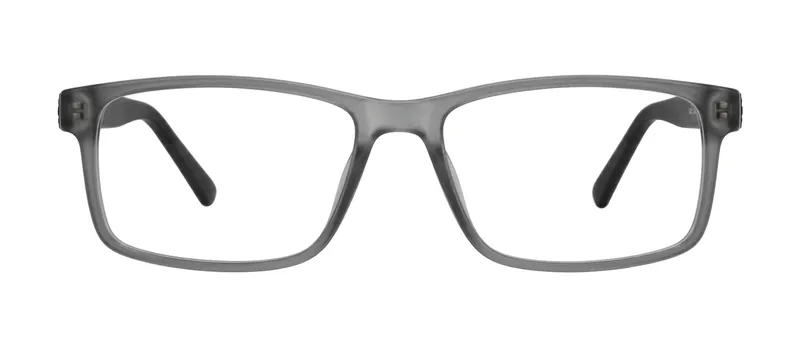
Notice what actually moves
Look ahead with a relaxed expression, then smile normally. Does the frame rise, do the lenses touch your cheeks, or is the rim already resting there? Make a short note. An optician can use that description alongside an examination of the frame on your face.
Compare depth and support separately
A deeper lens opening may bring the lower edge closer to your cheeks. Bridge placement can also affect clearance. A shallower model might be worth comparing, but the right response depends on the whole fit; do not assume a shape change alone will solve it.
Keep the prescription setup intact
Do not bend the bridge or reposition the lenses yourself to create clearance. Moving prescription lenses changes how they sit in front of your eyes. Arrange a professional adjustment or ask whether another construction would be more suitable.
A quick comparison
| Compare | What it changes | Your next check |
|---|---|---|
| Only during a smile | Describe the upward movement | Have fit checked |
| Contact at rest | Record the resting position | Ask about bridge and depth |
| Only on one side | Mention the asymmetry | Do not twist the frame yourself |
Should I buy oversized frames for more cheek room?
Not automatically. More lens height may create more contact, and a wider frame may introduce another fit problem.
Keep exploring
Put this guide to work
Compare the relevant frames and ordering details before choosing your pair.