Everyday glasses notebook · Montana
Glasses Temple Tips and Sleeves: A Montana Fit Checklist
A worn temple tip and a slipping frame are different problems. Montana glasses wearers can make a more useful repair-or-replace decision by identifying the actual part and checking whether an accessory is compatible.
Start with these details
| Question | What to check |
|---|---|
| Existing tip | Describe visible wear or damage without pulling it apart. |
| Added sleeve | Check compatibility and manufacturer instructions. |
| Whole frame | Consider bridge and temple fit as well as the ear area. |
Name the part and the problem
The temple is the arm of the glasses; a tip or covering near its end is only one component. Make a note of what changed: visible wear, a loose piece, a pressure point or movement of the whole frame.
Take a clear private photograph if it helps explain the issue. Do not remove a glued, molded or unfamiliar component just to find out what is underneath. The correct replacement depends on the actual frame.
Ask before adding a sleeve
An aftermarket sleeve changes the shape or thickness around the arm. Check its intended use, size and instructions, and ask whether it is compatible with your frame and any other equipment you wear.
Do not assume an accessory can fix a broken hinge, an unsuitable bridge or a frame that needs professional adjustment. If the glasses are damaged, arrange suitable service rather than covering the affected area and continuing as though it were repaired.
Compare the full fit
Look at the bridge, overall size and temple length together. A pair that moves may need more assessment than extra material behind the ears. Keep any home observation separate from an adjustment instruction.
Bring a familiar hat, headset or hearing device to a fitting when relevant. An added accessory may affect how those items meet, so compare the whole setup rather than a bare frame alone.
Check warranty and replacement value
Fast Eyeglasses’ published warranty distinguishes manufacturing defects from normal wear, accidental damage and outside repairs or adjustments. Ask about the actual problem before modifying the pair if a claim may apply.
If replacement is the sensible choice, compare a complete pair with the actual prescription and dimensions. A second-pair offer is useful only when the new pair addresses the intended need; it does not make an incompatible accessory or fit problem disappear.
From the Fast Eyeglasses collection
Compare a real frame and a complete quote.
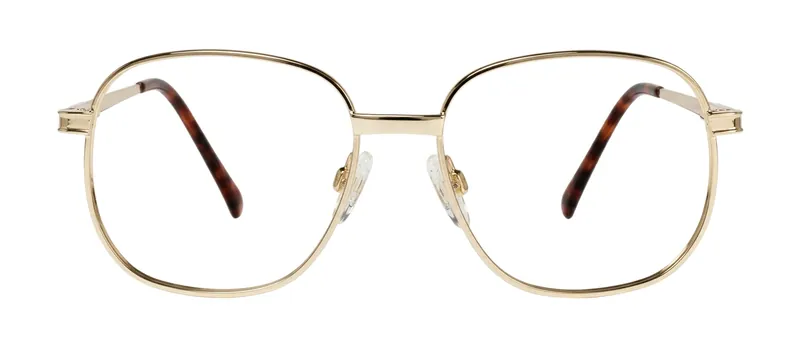
Explore Arthur measurements and options, or use our glasses cost calculator to compare materials, coatings and second-pair savings. The collection image is a style example, not a guarantee of current availability or a protective rating.
COUPON20: the second-pair details
Buy at least two complete pairs in the same order to save 20% on one lowest-priced eligible pair, including selected upgrades but excluding prescription-strength charges. The same savings apply automatically; the code does not add a second discount, and Fast Cash does not stack. Current checkout uses one prescription per order. Contact us first for different prescriptions or wearers.
Custom glasses are final sale for change of mind, customer-selected fit and entered prescription/PD errors; published remedies apply to qualifying lab errors, defects and shipping damage. Read the return policy.
Two useful questions
Will a sleeve repair a broken arm or hinge?
Do not treat a fit accessory as a structural repair; seek suitable service.
Are all replacement tips interchangeable?
No. Ask about the exact frame and compatible part.
Sources and useful links
Store information checked October 20, 2026. Confirm the actual frame, prescribed task and final order details before buying. This guide does not establish a protective rating or replace individual professional advice.