Everyday glasses notebook · Montana
Glasses for Fly Tying: A Montana Workbench Planning Guide
A fly-tying bench brings small materials and close attention together. Before buying glasses for it, describe the setup: where the vise sits, how far away the instructions are and what you already wear comfortably. For Montana anglers and hobbyists, those details are more useful than a generic claim that one lens power is best for tying flies.
Start with these details
| Part of the setup | What to note |
|---|---|
| Vise | Usual distance and height relative to your seat. |
| Instructions | Printed page, phone or screen position. |
| Tools and hooks | Protection and handling requirements for the actual task. |
Describe the bench, not just the hobby
Measure or note the comfortable working positions you actually use. A vise close to your face and a tutorial on a distant screen are different visual tasks. Share that description with your eye-care professional if your present correction is not suitable.
Do not copy someone else’s reading power from a hobby discussion. A single-vision lens is made for a prescribed task; it is not automatically a replacement for several distances or a progressive lens.
Check the frame around the task
Wear your normal glasses at the bench before choosing another frame. Notice whether the bridge is comfortable, the arms conflict with anything you wear and the frame stays in place during ordinary head movements.
Compare the measurements of a comfortable pair, not merely a close-up photograph of another person’s glasses. A matching size label does not guarantee the same fit across different frame designs.
Keep protection and magnification distinct
Hooks and small tools deserve the protective setup recommended for the activity. Ordinary prescription glasses, an optional material upgrade or a magnifier should not be assumed to provide a particular protective rating. Confirm what the completed eyewear is designed to do.
Use lighting and tool placement that suit the work, and keep glasses-care supplies separate from bench materials. A lens coating is not a substitute for task planning or suitable protection.
Build a complete-pair quote
Fast Eyeglasses currently offers corrective single-vision pairs. An everyday $79 base plus polycarbonate at $15 is $94 before other options and prescription-strength charges. A 1.67 high-index example starts at $124 before those additional choices.
These prices compare materials; they do not decide which lens you need for the bench. Use the calculator for cost, verify the actual configuration and read the custom-order policy before buying. If two pairs need different prescriptions, contact the store before ordering.
From the Fast Eyeglasses collection
Compare a real frame and a complete quote.
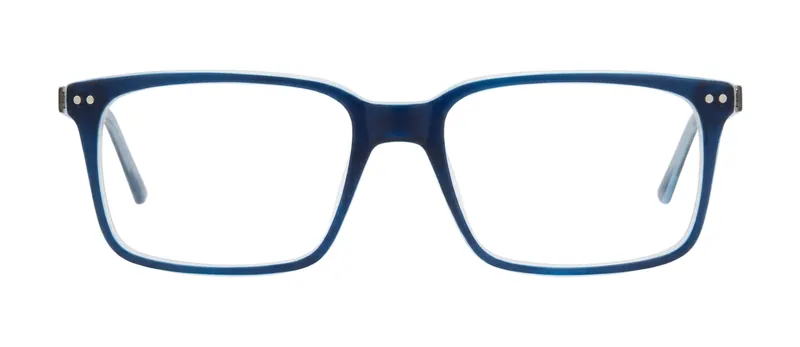
Explore Affiliate measurements and options, or use our glasses cost calculator to compare materials, coatings and second-pair savings. The collection image is a style example, not a guarantee of current availability or a protective rating.
COUPON20: the second-pair details
Buy at least two complete pairs in the same order to save 20% on one lowest-priced eligible pair, including selected upgrades but excluding prescription-strength charges. The same savings apply automatically; the code does not add a second discount, and Fast Cash does not stack. Current checkout uses one prescription per order. Contact us first for different prescriptions or wearers.
Custom glasses are final sale for change of mind, customer-selected fit and entered prescription/PD errors; published remedies apply to qualifying lab errors, defects and shipping damage. Read the return policy.
Two useful questions
Will stronger reading glasses automatically make fly tying easier?
Do not choose a power by guesswork. Discuss your actual task and working distance with an eye-care professional.
Does selecting polycarbonate certify the whole pair for hooks and tools?
No. A material selection alone does not establish a protective rating for the completed eyewear.
Sources and useful links
- Current lens options
- Frame measurements explained
- OSHA: prescription and protective-eyewear distinctions
Store information checked October 20, 2026. Confirm the actual frame, prescribed task and final order details before buying. This guide does not establish a protective rating or replace individual professional advice.