The frame shortlist · Guide 12 of 20
Black or Tortoise Glasses for a Round Face?
Black creates a more uniform outline; tortoise introduces variation. The best comparison keeps the shape and dimensions similar so the pattern—not a hidden size change—drives your decision.
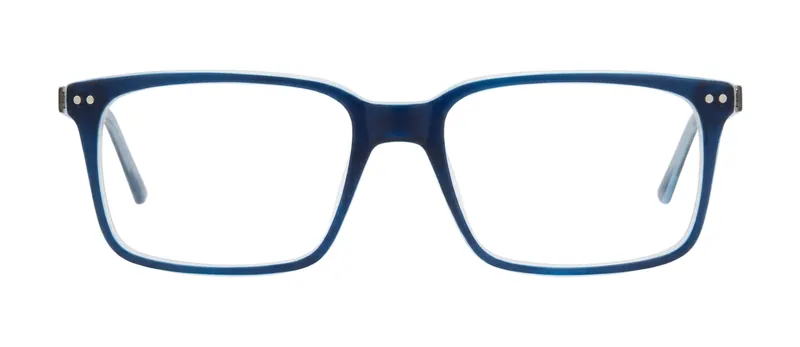
Compare the darkest part of the pattern
Some tortoise colors have large dark patches; others are lighter or more even. Look closely at the front and temples of the exact color you select. Pattern placement can vary, so do not expect every mark to reproduce a display image precisely.
Think about your usual outfit
Try the frame against clothing you regularly wear rather than an imaginary special occasion. A plain dark shirt, a patterned top and your usual coat can give different impressions. Neither black nor tortoise has to “match” your hair or eye color according to a fixed rule.
Keep a practical shortlist
Save one clear front-view photograph of each finalist with its model, color and size. If you cannot explain what you prefer about one, pause before purchasing. A second comparison in ordinary light may tell you more than another hour of scrolling through unrelated shapes.
A quick comparison
| Compare | What it changes | Your next check |
|---|---|---|
| Black | An even, defined border | Compare rim thickness |
| Dark tortoise | A defined but varied outline | Look at pattern contrast |
| Light tortoise | A more broken-up border | Check the exact shade |
Is tortoise always brown?
No. Retail color names can include other tones. Confirm the exact product colorway instead of assuming the pattern name defines its colors.
Keep exploring
Put this guide to work
Compare the relevant frames and ordering details before choosing your pair.