Everyday glasses notebook · Oregon
Glasses for Pottery Class: An Oregon Studio Checklist
Prepare for pottery class with glasses by asking about the actual studio tasks. Oregon beginners can plan a tidy case and care routine while keeping ordinary prescription eyewear separate from required protective equipment.
Start with these details
| Check | A useful next step |
|---|---|
| Before class | Ask what protective equipment each activity requires. |
| At the table | Keep the case outside the messy work area. |
| After class | Use the cleaning method approved for the actual lenses. |
Start with the instructor’s requirements
Describe the work you will actually do, including any demonstrations or finishing steps. Ask what eye protection is required and how prescription glasses should be accommodated. Ordinary frames are not automatically suitable protection against dust, fragments or splashes.
Do not substitute a lens-material name or an attractive frame shape for a protective rating. If protection is required, confirm the exact equipment and its compatibility before the activity begins.
Make one clean storage spot
Choose a place for the case that is away from clay, glaze containers and tools. Keep a clean cloth protected rather than laying it on the work surface. Follow the studio’s own housekeeping instructions.
Put the familiar glasses in that case whenever they must be removed. Leaving them beside a turning task or under a towel makes them easier to overlook. Do not improvise a storage spot on equipment.
Check comfort before hands get messy
Try the normal working posture and any required equipment before starting. Notice whether the glasses slip or contact other gear, and get appropriate fit help rather than repeatedly pushing them back with dirty hands.
A studio session is a poor moment for bending a frame or tightening an unfamiliar part. Handle a recurring fit issue before the next class and keep the instructor informed if equipment is interfering with the task.
Keep lens care separate from studio cleanup
Follow the lens and coating manufacturer’s cleaning method. Do not use a dusty cloth, studio rag or workshop chemical on prescription lenses. Stop if you are uncertain about a substance that has contacted the pair.
If you are shopping for everyday glasses, compare fit and the prescribed viewing task first. A second pair may be a convenient backup, but it does not become safety eyewear because it was purchased for a class.
From the Fast Eyeglasses collection
Compare a real frame and a complete quote.
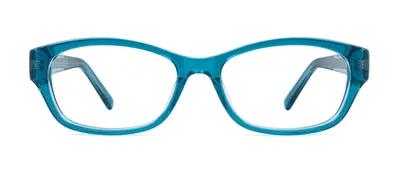
Explore Amber measurements and options, or use our glasses cost calculator to compare materials, coatings and second-pair savings. The collection image is a style example, not a guarantee of current availability or a protective rating.
COUPON20: the second-pair details
Buy at least two complete pairs in the same order to save 20% on one lowest-priced eligible pair, including selected upgrades but excluding prescription-strength charges. The same savings apply automatically; the code does not add a second discount, and Fast Cash does not stack. Current checkout uses one prescription per order. Contact us first for different prescriptions or wearers.
Custom glasses are final sale for change of mind, customer-selected fit and entered prescription/PD errors; published remedies apply to qualifying lab errors, defects and shipping damage. Read the return policy.
Two useful questions
Are ordinary prescription glasses pottery safety equipment?
Do not assume so. Ask the studio about the equipment required for each task.
Should I wipe clay dust with a dry cloth?
Avoid dry-rubbing contaminated lenses; follow the lens-care instructions and ask about unfamiliar substances.
Sources and useful links
Store information checked October 20, 2026. Confirm the actual frame, prescribed task and final order details before buying. This guide does not establish a protective rating or replace individual professional advice.