Everyday glasses notebook · Michigan
Glasses for Photographers: A Michigan Viewfinder Checklist
Compare photography glasses using your own camera, not a frame portrait alone. For Michigan photographers moving between a viewfinder, rear screen and editing desk, the useful starting point is how the actual pair behaves during each task.
Start with these details
| Check | A useful next step |
|---|---|
| Viewfinder | Check the full view with the camera’s own instructions. |
| Rear screen | Use your usual working distance and posture. |
| Long session | Check contact points with the complete work kit. |
Bring the real camera into the comparison
Use the camera manual to identify any viewfinder adjustment and its intended purpose. Do not treat a camera setting as a substitute for an eye examination or a prescription chosen for your tasks.
Notice whether the frame touches the eyecup and whether you can comfortably see the information you normally use. Record what happens with your current pair so an optician has a concrete description rather than a vague request for photography glasses.
List the distances in a normal job
A portrait session may involve checking a rear display, reading a shot list and looking across a room. Editing is another setup. Write down these tasks and discuss any prescription questions with the appropriate professional.
Fast Eyeglasses currently supplies corrective single-vision pairs. Do not assume that one pair can provide every viewing distance you need, or order a stronger number simply because a camera screen feels small.
Check the whole kit
Try the glasses with your normal camera strap, hat and headphones. Pay attention to where the arms sit and whether the frame shifts when you change posture. Size numbers are a starting reference, not a complete fit guarantee.
Put the case in a dedicated bag pocket away from loose equipment. Keep lens-care supplies identified so you do not accidentally use a camera product that is unsuitable for your eyeglass lenses or coatings.
Make the price comparison specific
Compare the exact frame and selected lens options. Anti-reflective treatment is not a promise of accurate editing colors, a reflection-free portrait or better photographs. Ask about a feature only after identifying the problem you want it to address.
If you want a second everyday pair, compare complete prices and the actual offer terms before ordering. A planned backup is useful only when its prescription and fit suit the intended wearer and task.
From the Fast Eyeglasses collection
Compare a real frame and a complete quote.
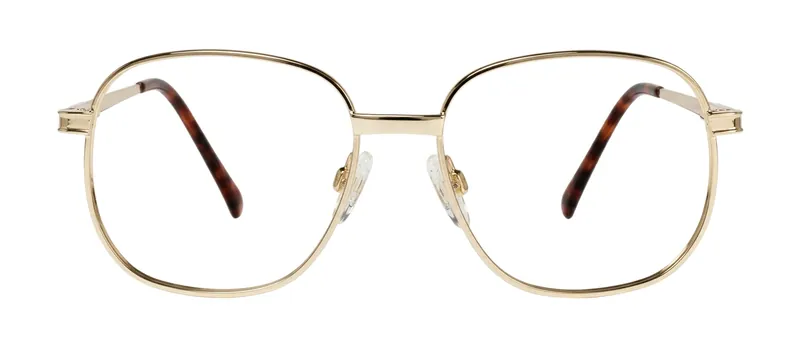
Explore Arthur measurements and options, or use our glasses cost calculator to compare materials, coatings and second-pair savings. The collection image is a style example, not a guarantee of current availability or a protective rating.
COUPON20: the second-pair details
Buy at least two complete pairs in the same order to save 20% on one lowest-priced eligible pair, including selected upgrades but excluding prescription-strength charges. The same savings apply automatically; the code does not add a second discount, and Fast Cash does not stack. Current checkout uses one prescription per order. Contact us first for different prescriptions or wearers.
Custom glasses are final sale for change of mind, customer-selected fit and entered prescription/PD errors; published remedies apply to qualifying lab errors, defects and shipping damage. Read the return policy.
Two useful questions
Can the camera diopter replace prescription glasses?
Follow the camera instructions and discuss your visual needs with an eye-care professional; it is not a replacement prescription.
Will an anti-reflective coating remove every reflection in photos?
No. Lighting, camera angle and the actual lenses also matter.
Sources and useful links
Store information checked October 20, 2026. Confirm the actual frame, prescribed task and final order details before buying. This guide does not establish a protective rating or replace individual professional advice.