Close to home · Michigan · Volume three
Island history
Skull Cave: the Mackinac Island name that deserves a second look
The name sounds enormous. The opening is small. That mismatch is part of what makes Skull Cave a memorable Mackinac Island landmark—but its deeper story calls for something quieter than a haunted-cave dare. Ancient water, an eighteenth-century refuge account and a sacred burial place meet in one weathered piece of rock.
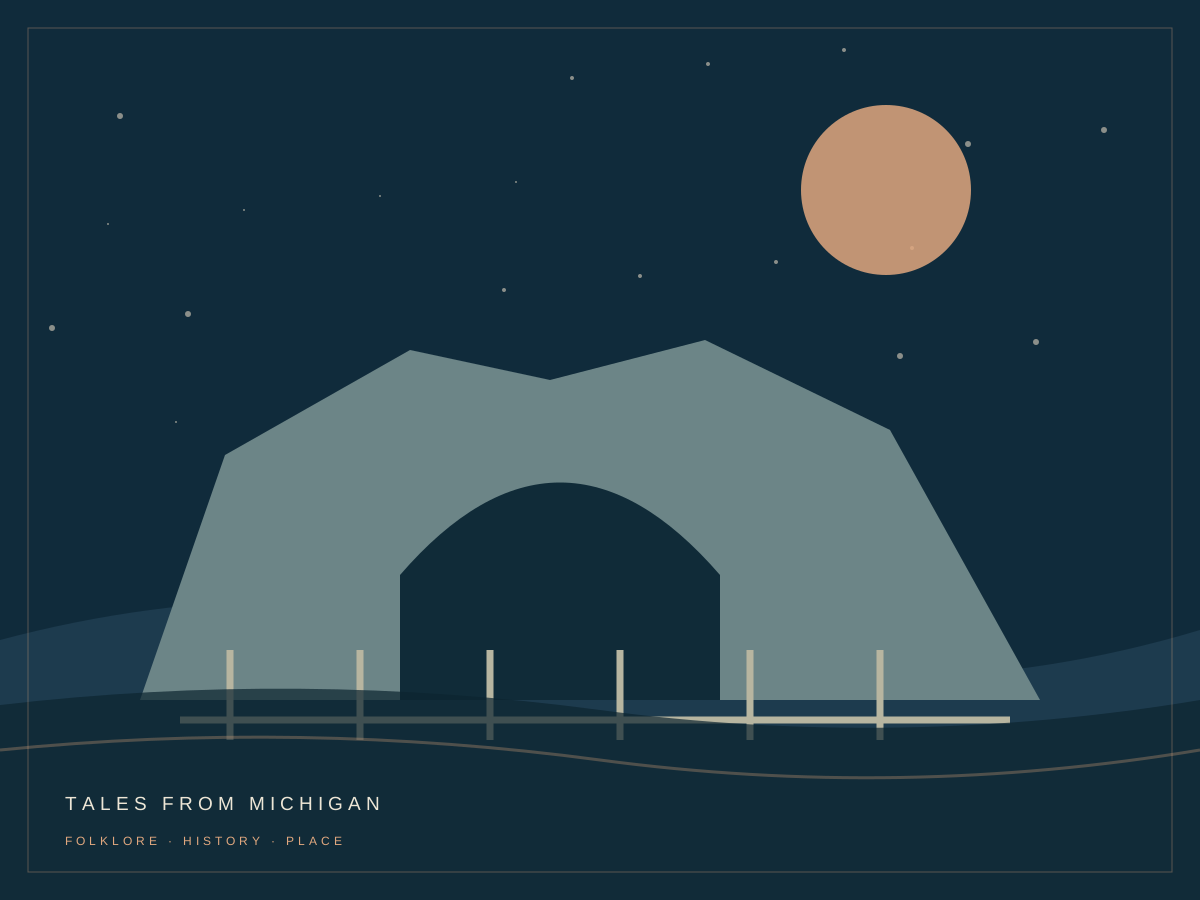
The refuge story behind the startling name
In the island tourism bureau’s account, fur trader Alexander Henry escaped the 1763 capture of Fort Michilimackinac with the help of the Ojibwe man Wawatam. Taken to Mackinac Island, Henry sheltered in a cave and later discovered human remains around him. It is an arresting episode in the island’s historical storytelling.
Do not let the surprise erase Wawatam’s role or turn the people buried there into scenery. Henry’s night is one visitor’s experience of a place that already had meaning. Starting with that distinction gives the story more depth than treating the cave as an elaborate Halloween prop.
A shoreline high above today’s water
The park’s geological interpretation explains how waves of ancient Lake Algonquin shaped the island’s limestone formations. Harder rock remained while softer material eroded, producing landmarks including Skull Cave and Sugar Loaf. A hollow now encountered inland belongs to a shoreline that no longer matches the lake you see from the ferry.
That is a wonderfully local way to stretch a child’s sense of time. Ask everyone to imagine where water would have stood before roads, paths and buildings existed. The familiar island becomes a changing landscape, and the small cave becomes evidence of a much larger setting.
Why its appearance can surprise you
Mackinac State Historic Parks notes that the cave largely collapsed by 1850 and was filled further afterward. A present-day visitor should not expect the space described in every older account to survive unchanged. The name carries a past that the current opening cannot completely show.
Compare the idea in your head with the landmark in front of you. Which came from the name, which from a drawing, and which from what you actually observed? That exercise works at many historical sites: an evocative label is a beginning, while the physical place asks you to revise the picture.
Make it a thoughtful island stop
Use the park’s current map and access information when planning an island walk. Stay outside the fence, keep voices and behavior appropriate to a former burial place, and leave the formation untouched. A good visit does not require a photograph inside the opening or an attempt to recreate Henry’s night.
For a reading evening at home, pair this history with the Sleeping Bear story and discuss how a landscape can hold meaning beyond its appearance. Those places have different histories and traditions. What connects the conversations is the value of learning whose stories you are hearing before passing them along.
Sources & further reading
Checked October 18, 2026. These links support the historical details and identify the public traditions discussed here. Visit information can change; check the operator’s current notice before traveling.
Keep it close to home
More stories from Michigan
Kalamazoo · House history & ghost lore
Henderson Castle: Kalamazoo’s hilltop house with a haunted reputation
Discover Henderson Castle’s Queen Anne architecture and Kalamazoo history, then compare its ghost traditions with a paranormal team’s firsthand account.
Read the local story ↗
Sleeping Bear Dunes · Living cultural tradition
Sleeping Bear’s story: the Michigan landscape with a mother at its heart
Read the Anishinaabe story behind Sleeping Bear Dunes, learn why versions differ, and plan a thoughtful family conversation about this Michigan landscape.
Read the local story ↗
Manitou Passage · Island history
South Manitou’s empty village: the Michigan island that once fueled a highway of ships
Explore South Manitou Island’s village, lighthouse and farming history, plus the 2026 access closures to know before planning a Michigan island trip.
Read the local story ↗
Big Bay, Upper Peninsula · Lighthouse folklore
Big Bay Point’s mirror ghost: the keeper story above Lake Superior
Explore Big Bay Point Lighthouse’s mirror-ghost folklore, the keeper history behind it, and the private-property access rules for this Lake Superior landmark.
Read the local story ↗Put this guide to work
Compare the relevant frames and ordering details before choosing your pair.