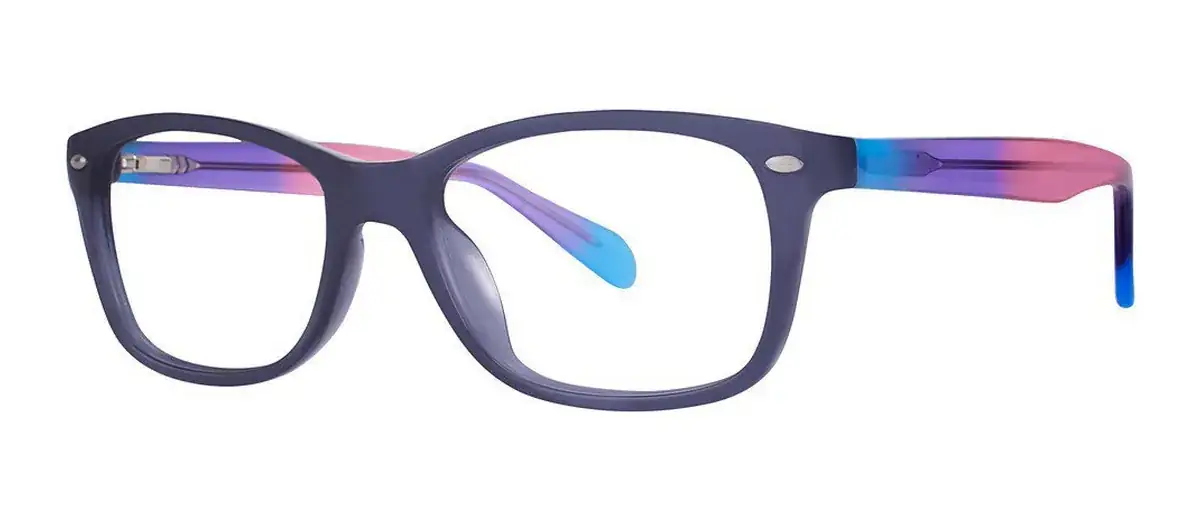
If you are wondering how a new top rim will sit near your eyebrows, start by identifying the look you like in your current glasses. A product photo can help compare the shape of a frame’s upper edge. It cannot establish the exact position that frame will take on your face.
Describe the look rather than searching for one rule
You may prefer a rim that feels visually close to your brows or one that leaves more visible space. Use ordinary photos of yourself in glasses you already know to identify that preference.
Do not treat eyebrow visibility as a universal fitting score. Different outlines and different personal preferences can work. The important question is which look you want to investigate.
Separate rim shape from wearing position
Compare the top edge, corners and height of the candidate frame in the product images. Then check its bridge design and dimensions. A similar-looking upper rim does not prove it will sit at the same height.
Do not resize a frame photo over your face and call it a measurement. If you use an image comparison for style, keep the result separate from the physical fit you still need to assess.
Ask about the detail the photo cannot answer
If your current frame contacts your face in an uncomfortable way, discuss that with an optician rather than choosing a new brow line to solve it. Style and pressure are different questions.
Before buying without trying on, be clear about what the image comparison established. It may help you choose an outline while leaving the actual wearing position uncertain.
Use a specific frame for your comparison
Open the exact model and selected size when you investigate a fit question. These Fast Eyeglasses listings give you concrete options to compare with your own reference pair.
- View Phase frame details — listed sizes: 52–17–145.
- View Elated frame details — listed sizes: 53–15–140.
Frame sizes describe lens width, bridge width and arm length. Check current options and availability on the product page. Ask about any important measurement that is missing.