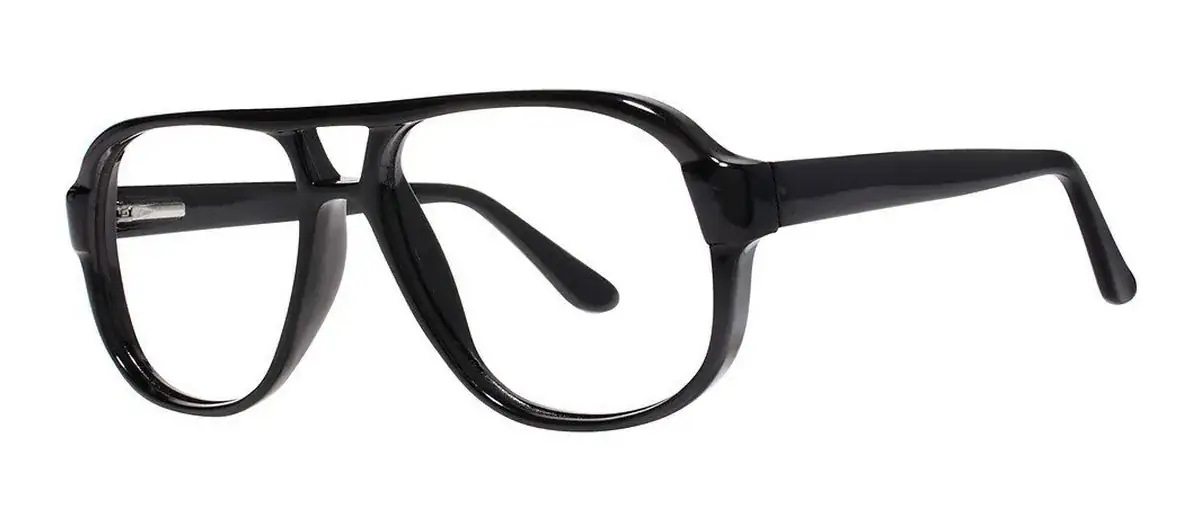
Aviator prescription glasses give you a different outline from a rectangular or round everyday pair. Before choosing the look, check the actual model and size. Fast’s Tycoon listing is a useful example because it offers three sizes, showing why one photograph does not describe one universal aviator fit.
Follow the size choice all the way through
Tycoon lists 52–20–140, 54–20–145 and 56–20–150. Those options change both lens width and arm length. The bridge number stays at 20, but that alone is not enough to choose a fit.
Compare the complete sequence with a comfortable pair. If your current glasses have shorter arms, moving to the largest option changes more than the visible lens opening.
Check the outline and bridge in the images
Look at the front shape, bridge design and available side views. If you are changing from another shape, note what you want to keep and what you want to change. A size match does not mean that two different bridge designs will feel identical.
Ask about total front width or other missing measurements when they are important. Do not calculate a personal PD from the frame numbers; that comes from your own measurement.
Separate everyday aviators from protective eyewear
Aviator describes a shape, not a protection rating. An everyday aviator pair should not be chosen as workplace protective eyewear merely because it resembles a safety style. Required protection needs its own product and employer checks.
For an ordinary distance or reading pair, review the prescription requirements and lens choices for the selected frame. If your prescription includes instructions you do not understand, ask before placing the order.
Frames to compare at Fast Eyeglasses
These catalog examples give you specific models to investigate. Check the current page for the selected size, color and availability. The numbers below are lens width–bridge width–arm length in millimeters; they are not total front width or your PD.
- Tycoon aviator glasses: 52–20–140 or 54–20–145 or 56–20–150. Listed colors: Black, Cognac, Grey.
These everyday complete pairs start at $79 with standard single vision prescription lenses. Optional lens upgrades and applicable prescription-strength charges increase the total. The examples are shopping comparisons, not a guarantee of fit.