Close to home · Montana · Volume three
Mining-town history
Elkhorn’s two halls: the Montana ghost town with a very specific welcome
An old hall is built to hold people: meetings, conversations, perhaps the sound of a gathering coming through a door. At Elkhorn, two surviving halls make a silver-mining landscape feel suddenly personal. They also carry a practical surprise for visitors—the state park is not the entire town, and “ghost town” does not mean everything is yours to explore.
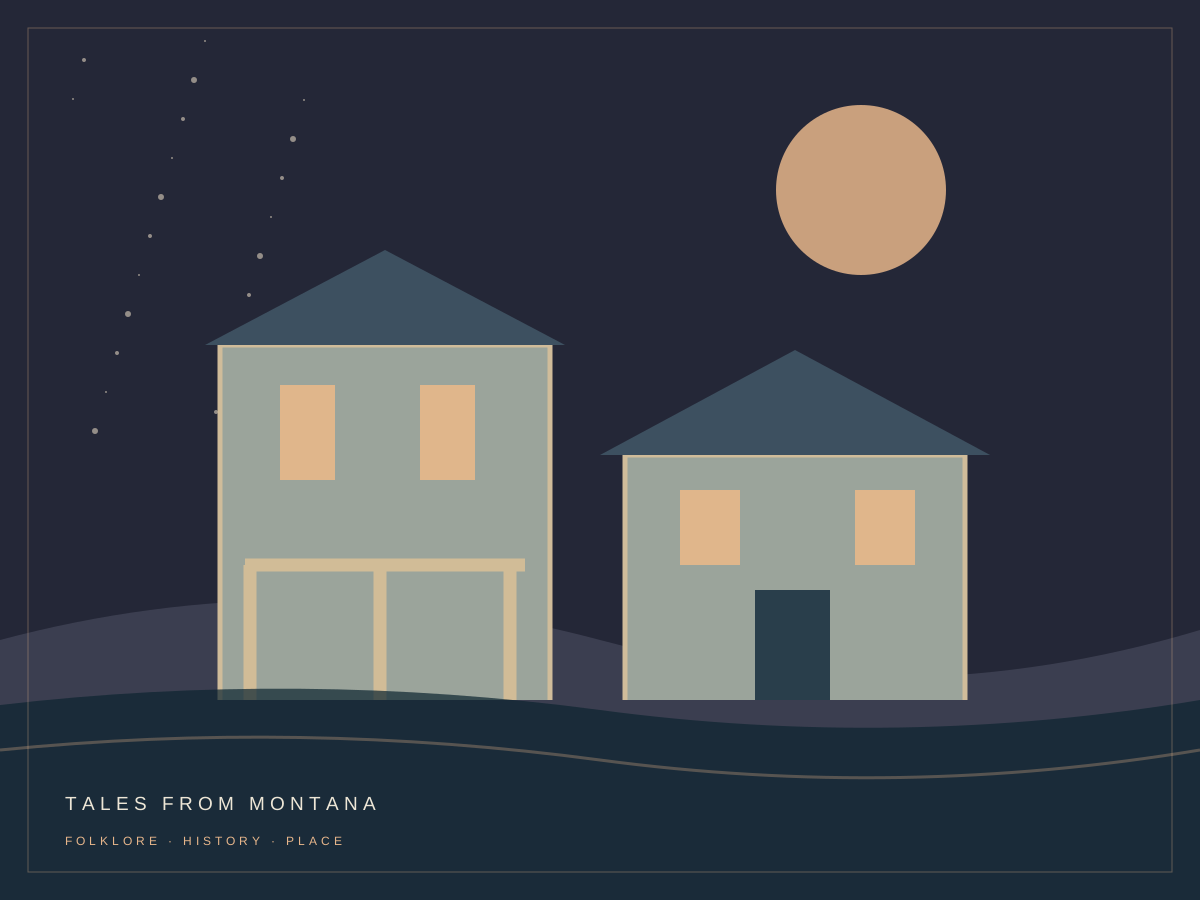
Begin with the two buildings that belong to the park
Montana Fish, Wildlife & Parks identifies Fraternity Hall and Gilliam Hall as its two properties in Elkhorn. They are preserved examples of frontier architecture in a nineteenth-century silver-mining town. That is a useful first orientation: two particular buildings, not a license to investigate every doorway in sight.
A hall suggests a social life beyond the mine. Think about the effort required to make room for gatherings in a small community. People needed more than somewhere to work and sleep; they also needed places to meet, organize and see one another outside the demands of the day.
Look for what a gathering would require
On an authorized visit, notice the scale of a doorway, a room or a facade. How does a building announce that people are meant to enter together? Which features seem designed to be seen from outside, and which would matter once a gathering had begun? Those are architectural questions you can ask without inventing an event.
For children, try planning an imaginary community meeting. Who needs a seat? How would news reach everyone? Label that activity as imagination, then return to the interpretation for what is actually known. The old walls become a setting for thoughtful questions rather than a blank space filled with made-up history.
A ghost town can still have neighbors
FWP explicitly says the remainder of Elkhorn is private. Visitors may read street interpretation, but private buildings and land remain private. The term “ghost town” can describe a changed mining community while people continue owning, using and caring about the place around the preserved structures.
That distinction is part of being a good local visitor. A gate, a porch or an apparently empty lot is not an invitation. It also makes the story more interesting: preservation and present-day life sit together, instead of the town being frozen at the dramatic moment a travel list imagines everyone vanished.
Plan for a small site, not a theme park
Consult the current FWP page for road conditions, notices and amenities. Its guidance asks visitors to close the hall doors after leaving and notes that camping is not available in or within walking distance of Elkhorn. Set expectations before bringing a group, especially if anyone expects a long menu of facilities.
Back home, compare Elkhorn’s halls with Golden’s church and store. Which public space would you miss most if your community lost it? A good ghost-town conversation can be about the places that held people together—and why keeping even two buildings can preserve more than their silhouettes.
Sources & further reading
Checked October 18, 2026. These links support the historical details and identify the public traditions discussed here. Visit information can change; check the operator’s current notice before traveling.
Keep it close to home
More stories from Montana
Helena · Historic neighborhood
Reeder’s Alley: Helena’s little brick passage into a much bigger past
Explore Reeder’s Alley in Helena, where small brick and stone homes connect Montana mining history with preservation, ordinary lives and businesses today.
Read the local story ↗
Fort Benton · Hotel folklore
Hoofbeats on the stairs: Fort Benton’s Grand Union ghost story
Read the Grand Union Hotel’s phantom-hoofbeats legend beside Fort Benton’s steamboat-era history and the restoration that brought its 1882 hotel back to life.
Read the local story ↗
Near Butte and Pipestone · Geological curiosity
Montana’s Ringing Rocks: the boulder field with a bell-like reply
Explore Montana’s Ringing Rocks near Butte, where boulders chime when tapped, with official access guidance and a family-friendly observation challenge.
Read the local story ↗
Deer Lodge · Historic site & ghost tours
Deer Lodge after dark: the Old Montana Prison’s history and ghost-tour mood
Explore Deer Lodge’s Old Montana Prison, its documented 1871 beginnings, and what distinguishes a daytime history visit from its age-restricted ghost tours.
Read the local story ↗Put this guide to work
Compare the relevant frames and ordering details before choosing your pair.