Your glasses do not get your head all to themselves. Headphones, hats and high collars can change how a pair feels during the day. If you are buying without a try-on, use the equipment you already own to learn what your next frame needs to avoid.
Run the test with your current pair
Wear the headset or hat you actually use with your glasses. Turn your head, look down and speak normally. Notice where the equipment meets the frame and whether the glasses shift. Record the situation; you do not need to decide which part should be bent or tightened.
If discomfort is already a regular problem, ask an optician to assess the current fit. A poorly adjusted frame can be a misleading reference. Buying something with a longer temple because one point feels uncomfortable does not establish that you have identified the cause.
Read the temple information in context
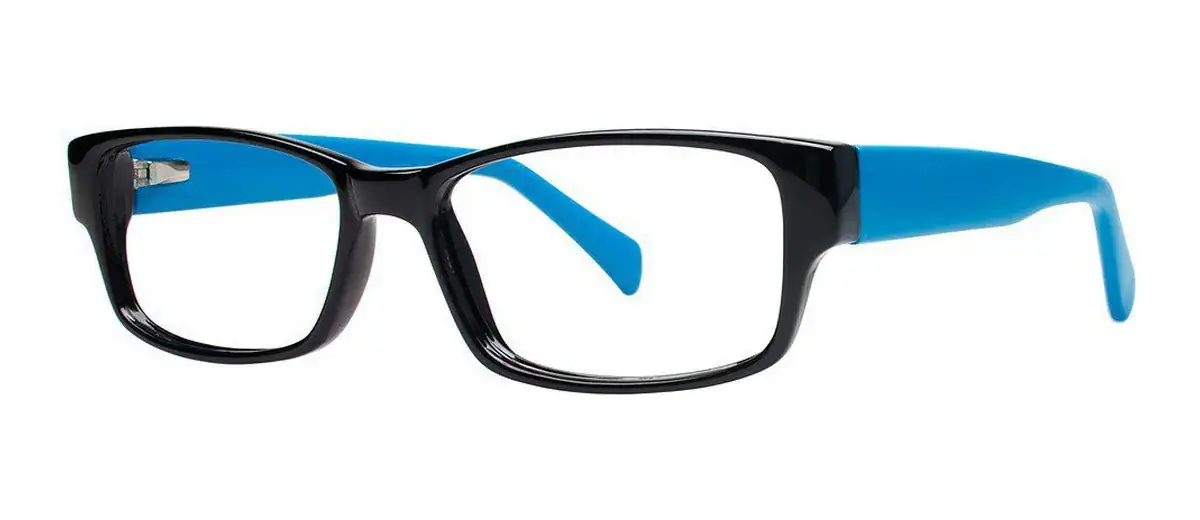
Temple length is one useful product measurement. It does not describe the entire shape, thickness, hinge arrangement or bend behind the ear. Compare side-view photographs when available, and ask about a product detail that matters but is not stated.
Keep your evidence separate from your prediction. You may know that a thick temple meets your headset. You may not know whether a particular untried frame solves the problem. Narrowing the search is valuable even when the information cannot provide a guarantee.
Choose the ordinary day over the ideal photo
An everyday pair should make sense for the hours you spend wearing it. If you have long calls most days, include that routine in your shortlist instead of choosing entirely from the front view. For equipment with protection or workplace requirements, confirm the complete appropriate eyewear setup with the relevant professional or employer.
Browse Fast’s listed frames and compare the exact sizes and visible temple construction. Ask before payment when an important specification is missing. Our custom-order terms do not turn a fit concern into an automatic exchange, so this small equipment check belongs before the order rather than after it.